Toddler Bunk Beds
Add a review FollowOverview
-
Founded Date March 1, 1977
-
Sectors Business
-
Posted Jobs 0
-
Viewed 20
Company Description
7 Simple Tips For Rolling With Your Bunk Beds
Exploring Bunk Beds: A Comprehensive Guide
Bunk beds have long been a staple in kids’s bed rooms, dormitories, and even homes with restricted space. Not just do they provide a practical sleeping solution, but they also develop a fun and creative environment for kids and a great space-saver for adults and households. This short article will check out everything you require to learn about bunk beds, from types and products to safety ideas and purchasing recommendations.
Tabulation
- Types of Bunk Beds
- Standard Bunk Beds
- Loft Beds
- Triple Bunk Beds
- L-Shaped Bunk Beds
- Material Options
- Wood
- Metal
- Safety Considerations
- Purchasing Guide
- FAQs
Kinds Of Bunk Beds
Bunk beds are available in different designs to match different needs and choices. Here’s a breakdown of the most typical types:
Conventional Bunk Beds
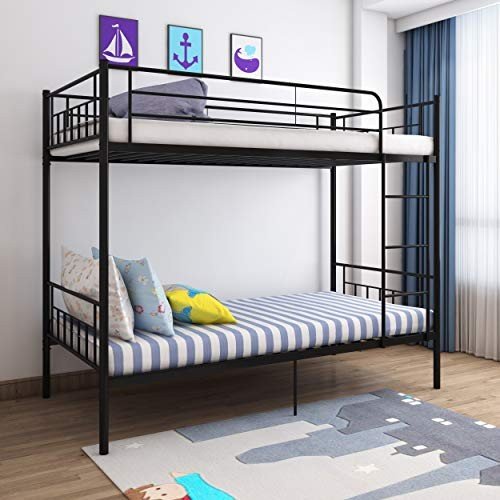
Traditional bunks usually feature 2 beds stacked vertically on top of one another. These beds are ideal for brother or sisters sharing a space or for making the most of sleeping space in visitor rooms.
Loft Beds
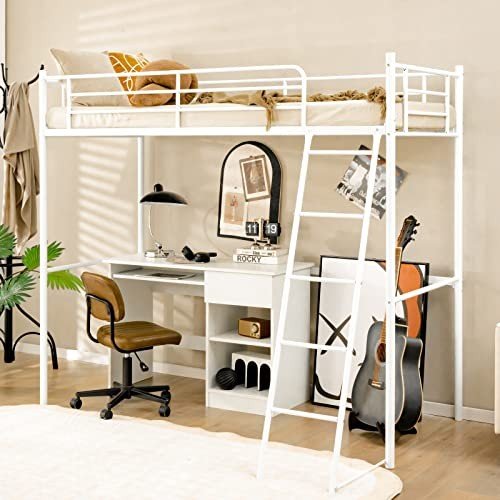
Loft beds stand similarly to traditional bunk beds but do not have a lower sleeping area. Rather, they often integrate a desk or seating location underneath, making them a great option for little spaces requiring multifunctionality.
Triple Bunk Beds
Triple bunk beds are designed for three residents, with beds stacked in a three-tier configuration. These are less common but can be an enjoyable solution for large families or sleepovers.
L-Shaped Bunk Beds
With one bed positioned horizontally and the other vertically, L-shaped bunk beds are often equipped with extra features such as desks or storage drawers and can complement corner areas in a room.
Contrast of Bunk Bed Types
| Bed Type | Ideal Use | Description |
|---|---|---|
| Traditional | Shared bed rooms or visitor rooms | Two beds stacked vertically |
| Loft | Small rooms needing multi-purpose space | Upper bed with open space beneath |
| Triple | Large households or slumber parties | Three beds stacked vertically |
| L-Shaped | Corner or flexible areas | A combination of vertical and horizontal beds |
Material Options
Bunk beds are manufactured from numerous materials, with wood and metal being the most common. Each material has its pros and cons.
Wood
- Durability: Generally robust and can endure years of use.
- Aesthetic Appeal: Offers a timeless look that can blend with numerous decors.
- Weight Capacity: Typically sturdier; can support heavier weights.
- Disadvantages: May be more expensive than metal alternatives and can be prone to scratches.
Metal
- Toughness: Generally lightweight and simple to move but still strong.
- Modern Design: Often is available in smooth designs, making it appealing for modern spaces.
- Affordable: Usually less costly than wooden alternatives.
- Disadvantages: Can be cold to the touch in winter seasons and might not have the exact same aesthetic appeal for some purchasers.
Safety Considerations
When it pertains to bunk beds, security can not be neglected. Here are key safety suggestions to bear in mind:
- Guardrails: Ensure that the top bunk has guardrails on both sides to prevent falls.
- Tough Construction: Check for a solid construct and durable materials to hold up against weight and movement.
- Weight Limit: Adhere to the producer’s weight limit for both the upper and lower bunks.
- Ladder Design: Choose bunks with a safe, easy-to-climb ladder and avoid any sharp edges or rungs.
- Age Restrictions: Most producers suggest that children under the age of 6 ought to not oversleep the upper bunk.
Purchasing Guide
When searching for bunk beds, think about the list below factors to find the best suitable for your needs:
- Space Availability: Measure the space size and ceiling height, making sure there is appropriate space for the top bunk.
- Bed Size: Decide between twin, complete, or larger sizes based on your requirements and the size of the room.
- Style Preference: Consider the general design of the bed room to discover an appropriate style.
- Ease of Setup: Look for a bunk bed that is simple to put together.
- Spending plan: Bunk beds can be found in numerous price ranges, so figure out a spending plan before starting your search.
Frequently asked questions
1. What is the recommended age for kids to sleep on the top bunk?
Children aged six and older are typically recommended to sleep on the top bunk to minimize the threat of falls.
2. How can I make my bunk bed more secure?
To enhance safety, guarantee guardrails are appropriately set up and check that the bed is put on a flat surface. In addition, motivate kids to use the ladder thoroughly.
3. Can I convert a bunk bed into 2 separate beds?
Numerous bunk beds are designed to be convertible. Examine the producer’s requirements for convertibility features.
4. What accessories are offered for bunk beds?
Common devices consist of beddings, storage drawers, staircases rather of ladders, and tented canopies for a fun visual appeal.
5. How do I preserve my bunk bed?
Regular checks for loose screws or structural stability can assist make sure security. Dust the bed routinely and tidy spills without delay to keep the products in good condition.
Bunk beds are versatile and a space-efficient service for numerous living situations, from children’s rooms to visitor lodgings. With many designs and materials readily available, potential purchasers have a wealth of options to think about, ensuring a combination of practicality and aesthetics. By prioritizing security and following the ideas laid out in this guide, individuals can find the best bunk bed that fits their space and lifestyle, all while producing an enjoyable sleeping environment.