

Robotic Vacuum Cleaners
Add a review FollowOverview
-
Founded Date December 9, 2015
-
Sectors Health Care
-
Posted Jobs 0
-
Viewed 275
Company Description
14 Misconceptions Commonly Held About Robot Vacuum Uk
Robot Vacuums in the UK: A Comprehensive Guide to Automated Cleaning
Robot vacuum cleaners have actually progressively moved from futuristic devices to vital household home appliances in the UK. As busy way of lives become the norm, the appeal of automated cleaning has actually grown, making robot vacuums a popular option for keeping tidy homes with minimal effort. However with a large selection of models and features offered, browsing the robot vacuum market in the UK can feel frustrating. This comprehensive guide aims to demystify the world of robot vacuums, providing you with the knowledge required to select the perfect cleaning companion for your home.
The Rise of Robotic Cleaning in UK Homes
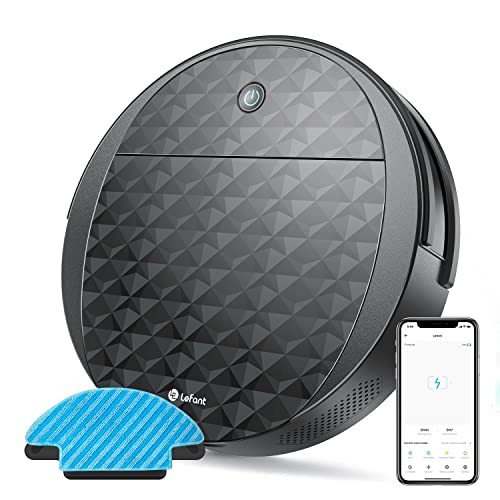
The UK has accepted technological developments in home cleaning, and robot vacuums are a prime example. They offer an engaging solution to the seasonal challenge of home chores, maximizing valuable time and energy. No longer are vacuums bulky, cumbersome machines to be dragged around the home. Robot vacuums, with their compact styles and smart navigation, easily move across floors, sucking up dust, particles, and pet hair, often while you are at work or relaxing.
Why Choose a Robot Vacuum? The Benefits
The appeal of robot vacuum lies in their various advantages. For UK households, they provide an especially compelling set of benefits:
- Convenience: The most substantial benefit is unquestionably benefit. Robot vacuums run autonomously, enabling you to arrange cleaning sessions whether you are home or not. Picture coming home to newly vacuumed floorings every day without raising a finger.
- Time Savings: Vacuuming can be a time-consuming chore, particularly in bigger homes or those with pets. Robot vacuums reclaim this time, enabling you to focus on more satisfying or efficient activities.
- Consistent Cleaning: Robot vacuums can be set to clean frequently, ensuring a constant level of cleanliness in your house. This is particularly beneficial for allergy sufferers, as regular vacuuming decreases dust and irritants.
- Availability: Robot vacuums can reach under furniture and into tight areas that are typically tough to gain access to with conventional vacuums, making sure a more thorough tidy.
- Pet Hair Management: Pet owners in the UK understand the daily fight versus pet hair. Numerous robot vacuums are particularly developed to tackle pet hair effectively, including powerful suction and tangle-free brush rolls.
- Smart Home Integration: Many contemporary robot vacuums use smart home integration, enabling you to control them by means of smart device apps or voice assistants like Amazon Alexa or Google Assistant.
- Lowered Physical Strain: For individuals with movement concerns or back problems, robot vacuums get rid of the physical pressure of pressing and pulling a traditional vacuum cleaner.
Types of Robot Vacuums Available in the UK
The UK market offers a varied variety of robot vacuum types, each with its own strengths and weaknesses:
- Basic Robot Vacuums: These are entry-level models concentrated on basic cleaning functionalities. They generally feature random navigation patterns and might do not have advanced features like mapping or smartphone control. They are often more economical and appropriate for smaller homes or simple cleaning needs.
- Mapping Robot Vacuums: These designs utilize sophisticated mapping innovation, such as LiDAR or camera-based systems, to produce a detailed map of your home. This allows for more efficient cleaning patterns, room-specific cleaning, and virtual limits.
- Robot Vacuum Mops: Many robot vacuums now incorporate mopping functionality. These 2-in-1 gadgets can vacuum and mop hard floorings in a single pass, providing detailed floor cleaning. Some designs feature separate water tanks and mopping pads, while others use damp fabrics connected to the vacuum.
- Self-Emptying Robot Vacuums: For ultimate benefit, self-emptying robot vacuums instantly empty their dustbins into a bigger container in the charging base. This considerably decreases the frequency of manual dustbin emptying, making them ideal for hectic homes or those with pets.
- Specialized Robot Vacuums: Some robot vacuums are designed for specific requirements, such as those with enhanced pet hair suction, models enhanced for deep carpet cleaning, or ultra-slim styles for reaching under low furnishings.
Secret Features to Consider When Choosing a Robot Vacuum in the UK
Selecting the ideal robot vacuum requires careful consideration of your particular needs and home environment. Here are crucial functions to examine:
- Suction Power: Measured in Pascals (Pa), suction power figures out the effectiveness of the vacuum in choosing up dirt and debris. Greater suction power is usually better, especially for homes with carpets or pets. Try to find designs with a minimum of 2000 Pa for good cleaning on different floor types.
- Battery Life & & Coverage: Battery life dictates for how long the robot vacuum can clean up on a single charge. Consider the size of your home and select a design with enough battery capacity to cover the whole area. Look for run times of at least 90 minutes for medium-sized homes, and longer for bigger spaces.
- Navigation System: Navigation systems figure out how effectively the robot vacuum cleans up and prevents obstacles.
- Random Navigation: Basic models utilize random patterns and bump navigation, which can be less efficient and might miss out on spots.
- Organized Navigation: Mapping-based models utilize organized patterns (e.g., row-by-row, grid-based) for more thorough and effective cleaning.
- Mapping Capabilities: If you want room-specific cleaning, virtual borders, and efficient cleaning paths, choose for a robot vacuum with mapping innovation (LiDAR or camera-based).
- Smart Features & & App Control: Many robot vacuums provide mobile phone app control, enabling you to schedule cleaning, monitor development, change settings, and get alerts remotely. Smart home integration with voice assistants is likewise a preferable feature for many UK homes.
- Dustbin Capacity: A bigger dustbin capacity means less regular emptying. Consider your cleaning frequency and the quantity of dirt and debris your home usually collects. Self-emptying models eliminate this issue completely.
- Brush Roll Design: The brush roll is important for picking up dirt and hair. Look for tangle-free brush rolls, especially if you have animals or long hair, to minimize upkeep.
- Mop Functionality (if desired): If you require mopping performance, examine the mopping system provided. Think about water tank capability, mopping pad type, and whether the robot vacuum can distinguish in between carpet and hard floors throughout mopping.
- Noise Level: Robot vacuums vary in noise levels. If quiet operation is necessary to you, examine the decibel rating of the design.
- Price & & Budget: Robot vacuum rates range significantly, from budget-friendly standard models to superior self-emptying and feature-rich devices. Determine your budget plan and focus on features that are crucial to you.
Popular Robot Vacuum Brands and Models in the UK
The UK robot vacuum market is populated by both developed and emerging brand names. Some popular and well-regarded brand names include:
- iRobot: Known for their Roomba series, iRobot uses a wide variety of designs from standard to high-end, known for their trusted cleaning and smart navigation.
- Eufy (by Anker): Eufy provides excellent value for cash, offering a variety of robot vacuums with good efficiency and features at competitive prices.
- Shark: Shark robot vacuums are gaining popularity in the UK, known for their powerful suction, anti-hair wrap technology, and competitive rates.
- Roborock: Roborock is a leading brand in robot vacuum innovation, known for their advanced mapping, strong suction, and innovative functions, particularly in their mopping capabilities.
- Neato: Neato robot vacuums are differentiated by their D-shape style, which allows them to clean closer to corners and edges, and are understood for their powerful cleaning performance.
- Dyson: Dyson, a home name in vacuum cleaners, also offers high-end robot vacuum designs, known for their powerful suction and advanced technology.
Maintenance Tips for Your Robot Vacuum
To guarantee your robot vacuum continues to carry out optimally and last for years to come, routine maintenance is essential:
- Empty the dustbin regularly: Empty the dustbin after each cleaning cycle or as needed, depending on the design and your cleaning frequency.
- Clean the brush roll: Remove hair and debris tangled around the brush roll frequently to preserve effective cleaning.
- Tidy the filters: Clean or change the filters according to the producer’s recommendations to preserve suction power and air quality.
- Wipe sensing units and charging contacts: Keep sensors and charging contacts clean for correct navigation and charging.
- Change brushes and other parts as required: Replace brushes and other wear-and-tear parts as advised by the producer to maintain ideal performance.
Conclusion: Embracing the Convenience of Robot Vacuum Cleaning
Robot vacuums have actually changed home cleaning in the UK, offering unequaled benefit and releasing up valuable time. By understanding the different types, key features, and available brand names, you can make a notified choice and choose the best robot vacuum to suit your needs and budget plan. Purchasing a robot vacuum is a financial investment in a cleaner home and a more relaxed lifestyle. Welcome the future of cleaning and experience the joy of effortlessly preserved floors.
Regularly Asked Questions (FAQs) about Robot Vacuums in the UK
Q: Are robot vacuums effective on carpets?A: Yes, numerous robot vacuums work on carpets, particularly those with strong suction and specialized brush rolls. Designs created for carpets typically include stronger suction modes and much deeper cleaning capabilities. However, for very thick or high-pile carpets, a conventional upright vacuum may still be required for deep cleaning sometimes.
Q: How long do robot vacuum batteries last?A: Battery life varies depending upon the design, however normally varies from 60 to 150 minutes on a single charge. Higher-end designs often have longer battery life and can charge and resume cleaning if needed.
Q: Can robot vacuums handle pet hair?A: Yes, lots of robot vacuums are specifically developed for pet hair elimination. Look for models with strong suction, tangle-free brush rolls, and HEPA filters to efficiently handle pet hair and allergens.
Q: Do robot vacuums work on all floor types?A: Most robot vacuums work well on hardwood, tile, laminate, and low-pile carpets. Some designs are better matched for particular floor types, so consider your home’s flooring when picking a model. For high-pile carpets or delicate floorings, examine the manufacturer’s recommendations.
Q: Are robot vacuums hard to establish and utilize?A: No, robot vacuums are typically simple to set up and utilize. The majority of models feature basic guidelines and instinctive app user interfaces. Initial setup typically involves charging the device, linking to Wi-Fi (for smart designs), and letting it map your home.
Q: How much do robot vacuums cost in the UK?A: Robot vacuum prices in the UK range from around ₤ 100 for basic designs to over ₤ 1000 for high-end, feature-rich gadgets. Costs depend on functions, brand, and performance.
Q: Can robot vacuums climb stairs?A: No, many robot vacuums are not developed to climb up stairs. If you have several floorings, you will need a different robot vacuum for each floor, or manually move the vacuum in between floorings.
Q: Do robot vacuums require Wi-Fi?A: Wi-Fi is required for smart functions like app control, scheduling, and voice assistant combination. Fundamental robot vacuums without smart functions do not require Wi-Fi and can be operated via buttons on the device.
Q: What is the common lifespan of a robot vacuum?A: With appropriate maintenance, a robot vacuum can last for a number of years, typically 3-5 years or longer. Battery life may deteriorate with time and might need replacement after a few years, depending on usage frequency.