

Pallets Storage
Add a review FollowOverview
-
Founded Date April 14, 2014
-
Sectors Health Care
-
Posted Jobs 0
-
Viewed 5
Company Description
See What Wooden Pallets Store Tricks The Celebs Are Using
The Versatility of Wooden Pallets: A Comprehensive Guide to Your Local Wooden Pallets Store
Intro
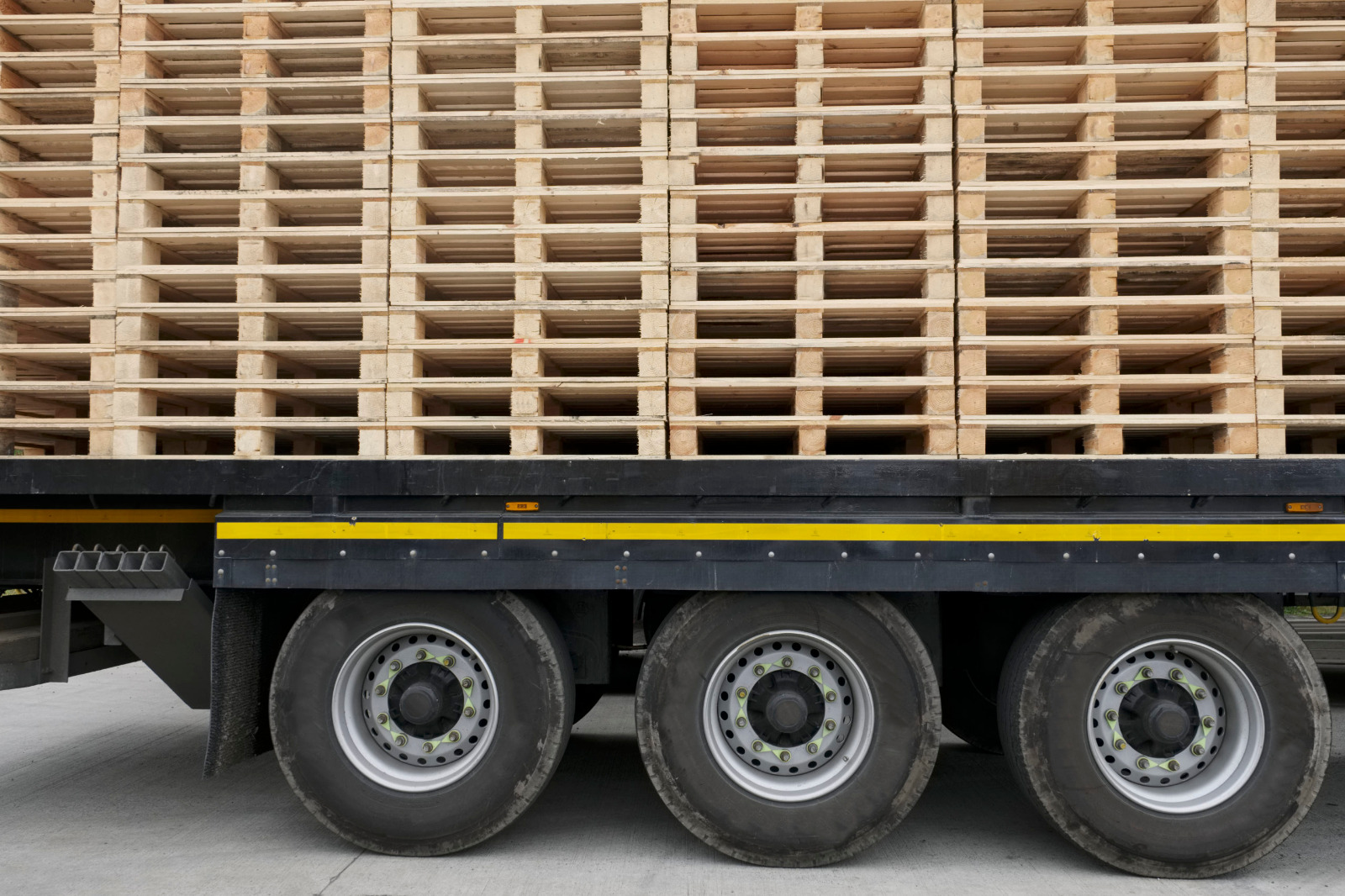
In different industries, wooden pallets have actually emerged as important tools for transferring and keeping products. Their robust design, eco-friendliness, and cost-effectiveness make them a favored option for businesses around the world. This post aims to supply insights into the functions of a wooden pallets store, highlighting the benefits of wooden pallets, the different types available, and ideas for picking the ideal ones for your requirements.
What is a Wooden Pallet Store?
A wooden pallets store is a specialized retailer dealing with the procurement, sale, and often leasing of wooden pallets. The primary products consist of new and used pallets, personalized pallets, and other wooden product packaging services. These stores accommodate numerous sectors, consisting of retail, farming, production, and logistics.
Advantages of Using Wooden Pallets
| Benefit | Description |
|---|---|
| Eco-Friendly | Made from renewable resources, wooden pallets are sustainable and recyclable. |
| Cost-Effective | Wooden pallets typically cost less than their plastic or metal counterparts. |
| Versatile Design | Suitable for various sizes and weights, making them versatile for various uses. |
| Durability | High strength-to-weight ratio guarantees they can manage heavy loads without breaking. |
| Alleviate of Repair | Harmed pallets can often be repaired, lengthening their life expectancy. |
Types of Wooden Pallets
When visiting a wooden pallets store, clients will find a range of pallets created to satisfy different logistical and industrial needs. Below is a table laying out the most typical types of wooden pallets:
| Type | Description | Common Uses |
|---|---|---|
| Block Pallets | Consist of blocks in the corners for extra strength. | Heavy industrial usage, rack storage |
| Stringer Pallets | Made with a frame of boards, usually lighter than block pallets. | General transportation and storage |
| Double-Face Pallets | Both sides usable, can be handled from either end. | Warehousing and shipping |
| Customized Pallets | Designed particularly for the needs of a particular item. | Specialized devices or items |
| Euro Pallets | A standardized pallet style, extensively used across Europe. | International shipping |
Choosing the Right Wooden Pallet
Picking the perfect wooden pallet from a store needs careful consideration of a range of aspects. Here’s a helpful checklist to direct you:
- Load Capacity: Ensure the pallet can support the weight of your goods.
- Size: Match the pallet size with your storage and transport systems.
- Material Condition: Check for any signs of damage or destruction.
- Design Type: Choose between block, stringer, or other styles based on your particular requirements.
- Regulative Compliance: If shipping worldwide, make certain the pallets fulfill ISPM 15 policies.
- Expense: Compare costs in between new and used options, considering your budget plan.
Often Asked Questions (FAQs)
Q1: Can I buy used pallets?Yes, numerous wooden pallets shops offer both new and carefully used pallets at a reduced cost. Q2: Are wooden pallets safe for food products?Wooden pallets can be used for food when they fulfill security standards, consisting of being unattended and proper for food handling. Q3: How do I understand if a pallet is safe for use?Inspect for damages, check for no extending nails, and make sure the
pallet hasn’t been exposed to harmful products.
Q4: Can I rent wooden pallets?Many shops use rental choices as a cost-efficient service for short-term needs. Q5: What should I finish with harmed pallets?Consider fixing them, repurposing for DIY tasks, or recycling them
at devoted centers. Wooden Pallet Applications Wooden pallets find numerous applications across several markets. Here is a list of some typical usages: Manufacturing: Used for transferring heavy equipment parts. Agriculture: Ideal for dealing with farm produce.