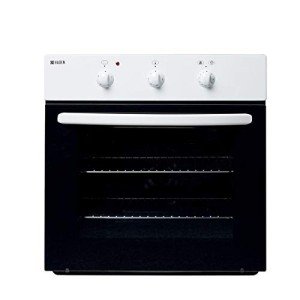
Oven Integrated
Add a review FollowOverview
-
Founded Date December 8, 1989
-
Sectors Business
-
Posted Jobs 0
-
Viewed 41
Company Description
You’ll Never Guess This Kitchen With Built In Oven’s Benefits
The Benefits and Design Considerations of a Kitchen with a Built-In Oven
In modern kitchen design, built-in ovens have actually ended up being a prominent feature, offering both performance and aesthetics that cater to modern lifestyles. This article explores the benefits of incorporating a built-in oven into the kitchen space and highlights vital style considerations to ensure a cohesive and useful kitchen environment.
Understanding Built-In Ovens
Built-in ovens are designed to be seamlessly integrated into kitchen cabinets, which separates them from traditional freestanding ovens. These appliances come in various setups, consisting of single-wall ovens, double-wall ovens, and even microwave ovens that share the very same integrated cabinet area.
Common Types of Built-In Ovens
| Type | Description | Suitable Use |
|---|---|---|
| Single Wall Oven | A standard oven with one compartment for baking and roasting. | Small kitchen areas or everyday baking. |
| Double Wall Oven | Two different oven compartments permitting synchronised cooking. | Large families or frequent bakers. |
| Mix Oven | A microwave and traditional oven in one system. | Quick meals and flexible cooking choices. |
| Steam Oven | An oven designed particularly for steam cooking. | Health-focused cooking and elaborate dishes. |
Benefits of Built-In Ovens
The appeal of built-in ovens can be credited to a number of crucial benefits, including:
1. Area Efficiency
Built-in ovens are created to fit within existing Kitchen With Built In Oven cabinetry, freeing up important floor area. This function is particularly useful in smaller kitchen areas, where every square foot counts.
2. Streamlined Appearance
The smooth integration of a built-in oven produces a sleek appearance in the kitchen. Offered in numerous surfaces, built-in ovens can match or complement cabinets, offering a contemporary and unified design visual.
3. Boosted Functionality
Built-in ovens frequently use sophisticated functions, such as wise technology, several cooking modes, and even self-cleaning alternatives. This can enhance cooking experiences and improve the effectiveness of meal preparation.
4. Improved Accessibility
With proper installation of a built-in oven, users can increase availability, preventing the need to flex over to reach a lower oven compartment. Eye-level cooking appliances allow cooks to monitor their meals quickly and reduce the danger of burns from flexing down to look at a baking item.
5. Energy Efficiency
Numerous modern-day built-in ovens make use of innovative cooking technology that can result in lower energy intake. Functions like convection cooking can decrease cooking times while ensuring even heating, ultimately saving energy.
Style Considerations for a Kitchen with Built-In Ovens
While built-in ovens provide many advantages, careful consideration in the design stage is vital to optimize their benefits and incorporate them effectively into the kitchen design. Here are some crucial factors to consider:
1. Cabinet Configuration
When preparing for a built-in oven, homeowners need to carefully consider cabinet designs and setups. Appropriate ventilation is vital for proper operation. It’s necessary to leave enough space for airflow, which can vary depending upon the oven model.
2. Height Preference
The setup height of the oven must be figured out based upon the main users. A built-in oven located at eye level can make it more practical to use, especially for those who regularly prepare.
3. Complementary Appliances
In a kitchen setting, built-in ovens often complement other built-in appliances such as microwave and warming drawers. Picking appliances that work well together can further simplify the kitchen’s design.
4. Visual Choices
Picking finishes and colors that balance with the general kitchen style is crucial. Built-in ovens are readily available in numerous choices, consisting of stainless steel, black, and even custom cabinet completes that can disappear effortlessly into the cabinets.
5. Spending plan Considerations
Built-in ovens can range considerably in price, from economical alternatives to high-end models filled with features. It’s necessary to set a practical spending plan that allows for the wanted specs without compromising the total kitchen renovation.
FAQs
1. What is the difference in between a built-in oven and a freestanding oven?
Built-in ovens are integrated into cabinets and provide a seamless appearance, while freestanding ovens are standalone systems that can be moved easily.
2. Do built-in ovens require expert installation?
Yes, built-in ovens typically need professional installation due to their integration with cabinetry and electrical requirements.
3. Are built-in ovens more pricey than conventional ovens?
In general, built-in ovens can be more expensive due to their installation procedure and advanced features, but there are lots of alternatives readily available to suit varying spending plans.
4. How do I preserve a built-in oven?
Routine cleansing and upkeep, such as using the self-clean function, inspecting seals, and ensuring correct ventilation, are necessary for maintaining a built-in oven.
5. Can built-in ovens be used in smaller cooking areas?
Yes, built-in ovens can be useful in smaller kitchen areas because they optimize space performance and can be set up at eye level for benefit.
Integrating a built-in oven into a kitchen design is an outstanding choice for improving functionality and aesthetics. By considering the style pointers and benefits gone over in this short article, house owners can develop an unified kitchen space that deals with their cooking requirements while looking elegant and trendy. Whether renovating an existing kitchen or creating a new one, built-in ovens provide a level of elegance and functionality that lines up seamlessly with modern cooking practices.