

Oven For Sales
Add a review FollowOverview
-
Founded Date November 10, 1976
-
Sectors Business
-
Posted Jobs 0
-
Viewed 17
Company Description
What’s The Job Market For Oven Hobs Professionals?
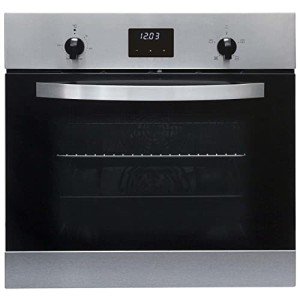
The Essential Guide to Oven Hobs: Selecting the Right One for Your Kitchen
When it concerns home cooking, couple of devices are as crucial as the oven hob. This versatile tool is necessary for a variety of cooking approaches– boiling, frying, simmering, and sautéing. Provided the myriad of choices readily available on the market, picking the perfect oven hob for one’s kitchen can be intimidating. This post aims to provide an extensive take a look at oven hobs, discussing their types, functionalities, advantages, downsides, and essential considerations when buying one.
Comprehending Oven Hobs
Oven hobs, typically referred to as cooktops, are flat cooking platforms that include burners or heating elements. They can be integrated with an oven or stand-alone. The choice of an oven hob can considerably impact cooking effectiveness and convenience.
Kinds Of Oven Hobs
Oven hobs are available in numerous types, each with distinct functions. Below are the most typical types offered:
| Type | Description | Advantages | Disadvantages |
|---|---|---|---|
| Gas Hobs | Uses natural gas or gas | Instant heat and precise temperature control; works well with all cookware | Requires a gas connection; less energy-efficient than electric |
| Electric Hobs | Usage electric coils or convected heat | Easy to clean; consistent heat distribution | Slower to warm up; can be less responsive than gas |
| Induction Hobs | Utilizes magnetic fields to heat pots and pans directly | Quick cooking; energy-efficient; simple to tidy | Requires compatible pots and pans; normally more expensive |
| Ceramic Hobs | Flat glass-ceramic surface area with glowing heat | Visually pleasing; easy to clean | Can be prone to scratching; slower to heat than induction |
Key Features of Oven Hobs
When choosing an oven hob, several functions ought to be taken into consideration:
-
Size & & Configuration: Available in numerous sizes, oven hobs can accommodate numerous pots and pans. Basic options are usually 30, 36, or 48 inches wide.
-
Power Output: Look for hobs with differing power levels for different cooking procedures. High-powered burners are exceptional for boiling, while lower-power ones can be used for simmering.
-
Control Types: Choose in between knob controls and touch controls. Knobs supply tactile feedback, while touch controls offer smooth styles and additional performances.
-
Security Features: Options like automatic shut-off, child locks, and flame failure gadgets are important for avoiding mishaps.
-
Reduce of Cleaning: Choose models with smooth surfaces or removable parts for easy maintenance.
Advantages and Disadvantages
Understanding the advantages and disadvantages of different oven hobs can help in making an informed choice.
Advantages
- Adaptability: Suitable for numerous cooking approaches, from boiling to frying.
- Speed: Many hobs heat quickly, specifically induction models.
- Energy Efficiency: Some alternatives, like induction hobs, can minimize energy intake compared to traditional techniques.
Downsides
- Expense: High-end designs, especially induction hobs, can be expensive.
- Installation: Gas hobs require professional installation and a gas supply, which might incur extra costs.
- Compatibility: Not all cookware works on induction hobs, necessitating extra purchases.
Purchasing Considerations
When picking an oven hob, think about the following elements:
-
Cooking Style: Assess how typically and what type of cooking you do to figure out the best hob type.
-
Kitchen Layout: Measure your kitchen area to ensure the hob fits and complements other devices.
-
Spending plan: Determine how much you are prepared to spend. Consider installation and the expense of any essential pots and pans.
-
Energy Source: Evaluate the schedule of gas or the electrical capacity of your kitchen to decide between gas and electric choices.
FAQs About Oven Hobs
Q1: What is the difference between a cooktop and an oven hob?A cooktop and an oven hob usually refer to the exact same device. However,”cooktop “is a more comprehensive term that consists of both standalone hobs and integrated systems with ovens. Q2: Can I utilize any pots and pans on an induction
hob?No, induction hobs need ferrous( magnetic)pots and pans
to work. Cookware made of product like stainless steel or cast iron is ideal, while aluminum and copper without magnetic properties are not. Q3: How do I clean my oven hob properly?Cleaning methods depend upon the type of hob.
Generally, a damp cloth and mild detergent work for glass-ceramic surfaces, while a particular hob cleaner is ideal for induction. Gas hobs require dismantling burners for thorough cleansing. Q4: Are induction hobs safe for cooking?Yes, induction hobs are normally safer than gas hobs as they do not produce an open flame,and the surface area cools off rapidly. Most designs likewise include kid safety locks. Q5: How typically need to I change my oven hob?The lifespan of an oven hob (www.jacksongerdts.top) differs based on the type and use. Typically, they last around 10 to 15 years.
Regular upkeep can help extend this period. Picking the best oven hob for your home can considerably boost your cooking experience. With a thorough understanding of the types, functions, advantages, and factors to consider, anybody can make an informed choice. From the high heat of gas to the efficiency of induction, there is a hob matched to every cooking requirement. Ultimately, the right oven hob can transform cooking from a mundane job into an art form, enabling culinary lovers to develop delicious meals with ease.