

Kategoria B Bez Szkolenia
Add a review FollowOverview
-
Founded Date May 17, 1944
-
Sectors Business
-
Posted Jobs 0
-
Viewed 59
Company Description
The 10 Most Terrifying Things About Buying Driving License
Understanding the Process of Obtaining a Driving License: A Comprehensive Guide
In today’s fast-paced world, the ability to drive is frequently seen as a need rather than a high-end. Whether for travelling to work, running errands, or starting journey, a driving license is a crucial file that grants people the legal right to run an automobile. However, the procedure of acquiring a driving license can be intricate and varies substantially from one country to another. This post intends to supply a comprehensive, informative guide on the actions associated with acquiring a driving license, consisting of the requirements, the application procedure, and some regularly asked questions.
The Importance of a Driving License
A driving license is more than just a notepad; it is a sign of obligation and a testament to an individual’s ability to safely operate a motor automobile. Holding a legitimate driving license not just allows one to drive lawfully however likewise supplies a sense of self-reliance and movement. Moreover, a driving license is often required for numerous other functions, such as recognition, leasing a vehicle, or even looking for particular tasks.
General Requirements for Obtaining a Driving License
While the particular requirements for getting a driving license can differ by nation, there are some common elements that are generally needed:
-
Age Requirements: Most countries have a minimum age requirement for getting a driving license. For example, in the United States, the minimum age to get a student’s permit is usually 15 or kategoria b bez egzaminu 16, while the minimum age for a complete chauffeur’s license is generally 16 or 17.
-
Residency Requirements: Applicants need to normally be citizens of the state or country where they are requesting a license. Evidence of residency may be needed, such as an utility bill or lease agreement.
-
Vision Test: A vision test is typically required to make sure that the applicant has sufficient eyesight to securely run an automobile. This test is normally performed at the Department of Motor Vehicles (DMV) or a similar agency.
-
Knowledge Test: Before acquiring a student’s authorization or a complete license, candidates should pass a written knowledge test. This test covers traffic laws, road signs, and safe driving practices.
-
Driving Test: After passing the understanding test and holding a student’s permit for a specified period, applicants should pass a useful driving test. This test evaluates the candidate’s ability to safely run a car in different driving conditions.
-
Application and Fees: Applicants need to send a finished application and pay the needed charges. The application procedure might be conducted online, in person, or by mail, depending upon the jurisdiction.
The Application Process
The procedure of obtaining a driving license can be broken down into a number of crucial steps:
-
Study the Driver’s Handbook: Before obtaining a student’s authorization, it is necessary to study the chauffeur’s handbook, which is available from the DMV or online. This handbook consists of all the needed info about traffic laws, road indications, and safe driving practices.
-
Take the Knowledge Test: Once you have actually studied the handbook, you can arrange and take the knowledge test. This test is generally multiple-choice and covers the product in the handbook. If you pass, you will be provided a student’s license.
-
Practice Driving: With a student’s authorization, you can start practicing driving under the guidance of a licensed grownup. The quantity of practice required differs by jurisdiction, but it is usually recommended to get as much practice as possible.
-
Set Up the Driving Test: After holding a student’s license for the required duration and completing the necessary practice, you can set up the driving test. This test is performed by a DMV examiner and examines your capability to safely run an automobile in real-world conditions.
-
Pass the Driving Test: If you pass the driving test, you will be provided a complete motorist’s license. If you do not pass, you might need to retake the test after a given duration.
-
Receive Your License: Once you have actually passed the driving test, you will receive your driver’s license. In some jurisdictions, you may receive a short-term license right away, with the irreversible license showing up by mail within a couple of weeks.
Frequently Asked Questions (FAQs)
Q: Can I look for a chauffeur’s license if I am not a citizen of the country?
A: Yes, in most countries, non-citizens can look for a motorist’s license if they meet the residency requirements. Proof of legal residency, such as a visa or work permit, may be required.
Q: How long does it require to get a chauffeur’s license?
A: The time it takes to get a driver’s license can differ depending on the jurisdiction and the individual’s progress. Typically, the procedure can take numerous weeks to a few months, including the time spent studying, practicing, and scheduling tests.
Q: Can I utilize an international driver’s license in another nation?
A: A global driver’s license (IDL) is acknowledged in many countries, however it is usually only valid for a short duration, usually approximately one year. It is always advisable to examine the particular requirements of the nation you are checking out to guarantee that your IDL is accepted.
Q: What should I do if I lose my motorist’s license?
A: If you lose your chauffeur’s license, you must report it to the DMV as soon as possible. You will need to get a replacement license, which may include paying a charge and offering evidence of identity.
Q: Can I upgrade my chauffeur’s license to consist of extra automobile classes?
A: Yes, you can update your chauffeur’s license to consist of additional lorry classes, such as bikes or commercial vehicles. This typically involves passing extra understanding and driving tests specific to the automobile class you wish to add.
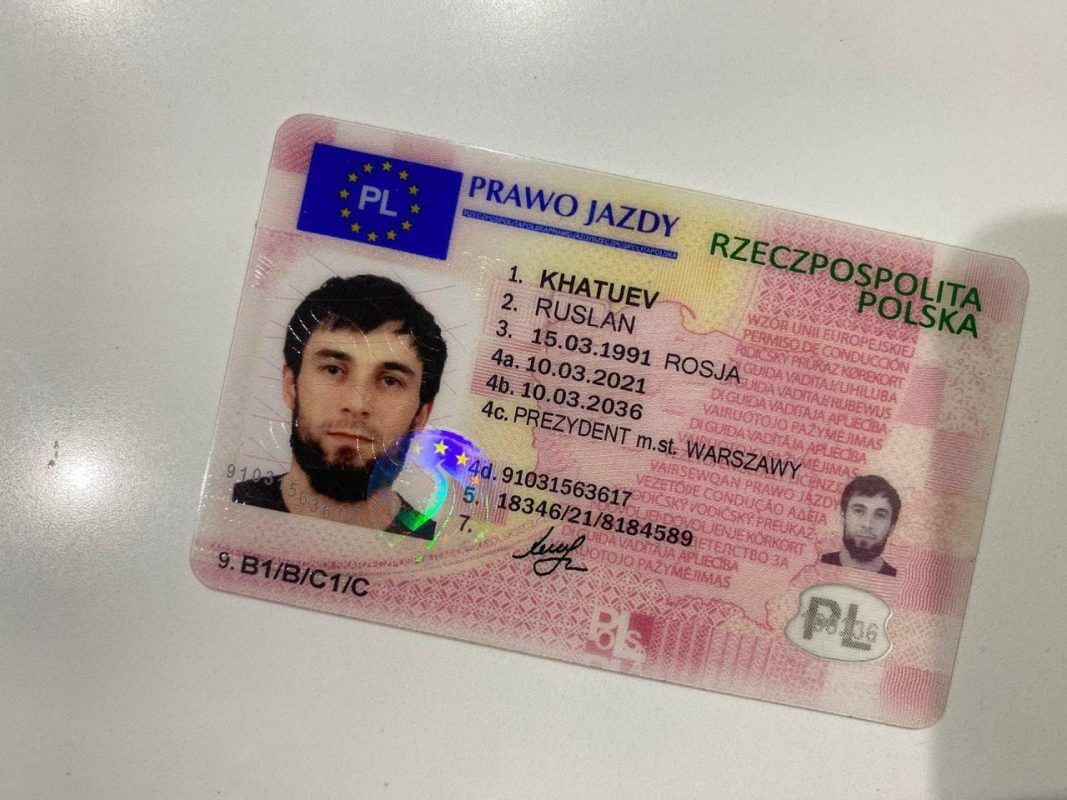
Acquiring a driving license is a significant milestone that requires devotion, research study, and practice. While the procedure can be challenging, the benefits of increased movement and independence make it well worth the effort. By following the actions detailed in this guide and preparing thoroughly, people can successfully navigate the procedure and become safe, responsible drivers. Whether you are a first-time applicant or looking to update your license, understanding the requirements and procedures is the initial step towards accomplishing your goal.
Additional Resources
- Motorist’s Handbook: Available from the DMV or online, this resource offers vital information on traffic laws and safe driving practices.
- DMV Website: The main website of your state or nation’s DMV is a valuable resource for details on the application process, costs, and screening locations.
- Driving Schools: Consider registering in a driving school for professional instruction and practice, particularly if you are a newbie chauffeur.
By making the effort to prepare and comprehend the procedure, you can with confidence move on with acquiring your driving license and enjoying the liberty and benefit that includes it.