

Integrated Oven And Grill
Add a review FollowOverview
-
Founded Date June 20, 1925
-
Sectors Business
-
Posted Jobs 0
-
Viewed 48
Company Description
15 Things Your Boss Wishes You’d Known About Integrated Electric Oven
The Rise of Integrated Electric Ovens: A Comprehensive Guide
Integrated electric oven built in ovens are ending up being increasingly popular in modern kitchen areas due to their sleek style, energy effectiveness, and advanced cooking features. Developed to mix perfectly with kitchen cabinets, these appliances not just improve aesthetic appeals however likewise provide a range of performances that cater to the cooking requirements of modern households. This post will explore the benefits of integrated electric ovens, how they compare to conventional ovens, and crucial aspects to consider when buying one.
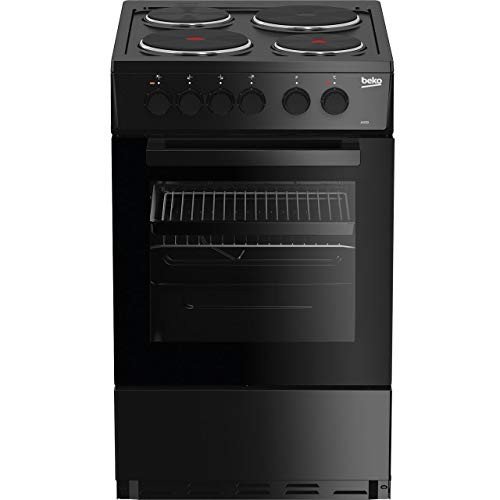
What is an Integrated Electric Oven?
An integrated electric oven is created to be built into kitchen cabinets, providing a streamlined appearance that makes the most of area performance. Unlike freestanding ovens, integrated models frequently feature a flush fit with cabinets and feature designs that can match or complement the surrounding kitchen design. These ovens usually come with a wide array of performances, including convection cooking, self-cleaning alternatives, and clever technology features.
Advantages of Integrated Electric Ovens
The appeal of integrated electric ovens depends on their many advantages. Below are a few of the crucial benefits:
-
Aesthetic Appeal
- Integrated ovens provide a tidy and modern appearance.
- They can be personalized to match the kitchen’s cabinets and design style.
-
Area Efficiency
- Designed to maximize the readily available kitchen space.
- Ideal for smaller kitchens where freestanding models might be cumbersome.
-
Advanced Cooking Features
- Lots of designs include features such as convection heat, steam cooking, and multiple cooking modes.
- Smart ovens can even connect to Wi-Fi for remote tracking and control.
-
Energy Efficiency
- Electric ovens frequently offer more constant heating and faster cooking times compared to gas ovens.
- Newer models are developed with energy-saving technologies, which can help in reducing energy expenses.
-
Improved Safety
- Integrated ovens generally consist of functions such as vehicle shut-off and kid lock functions for included security.
Table 1: Comparison of Integrated Electric Ovens and Traditional Ovens
| Function | Integrated Electric Oven | Traditional Oven |
|---|---|---|
| Style | Built-in, flush-fitting | Freestanding, uses up more space |
| Cooking Efficiency | Usually quicker, more even heating | Varies, normally longer warm up |
| Visual Integration | Smooth with kitchen cabinetry | Standout appliance |
| Space Usage | Space-saving | Requires more floor area |
| Advanced Features | Frequently consists of wise innovations | Minimal technological integration |
| Energy Efficiency | Usually more energy-efficient | Can differ by design |
Key Features to Look For in Integrated Electric Ovens
When shopping for an integrated electric oven, various features should be taken into account to guarantee you select a design that fits your cooking style and preferences. Here are some essential functions to consider:
-
Size and Capacity
- Try to find ovens that fit within your kitchen cabinets and assess internal capability based on your cooking needs.
-
Cooking Modes
- Think about models that provide several cooking functions including bake, broil, steam, and convection to broaden cooking possibilities.
-
Self-Cleaning Options
- Self-cleaning modes save time and effort in maintaining the oven.
-
Control Options
- Touchscreen controls or smart tech integration for remote gain access to can include benefit to cooking.
-
Energy Rating
- Choose energy-efficient models with great rankings to make sure lower operating costs.
-
Warranty and Support
- Inspect for guarantees to cover repair work and replacements and the availability of consumer service.
FAQs
Q1: What makes integrated electric ovens different from built-in ovens?
A1: Integrated electric ovens are specifically developed to blend into kitchen cabinetry, providing a smooth aesthetic, while built-in ovens may not necessarily have the very same flush design and often stand apart more as individual appliances.
Q2: Are integrated electric ovens more costly than standard ovens?
A2: Generally, integrated electric ovens can be more expensive due to their design and advanced features. Nevertheless, the long-term energy cost savings and improved efficiency frequently offset the initial expense.
Q3: How do I make sure correct installation of an integrated electric oven?
A3: It is advised to work with a professional for setup, as integrated ovens require exact measurements and can include electrical connections that need to comply with regional building regulations.
Q4: Can I tailor the look of my integrated electric oven?
A4: Yes, numerous manufacturers offer personalized panels or finishes to match your kitchen cabinets, enabling a fully integrated appearance.
Q5: What upkeep does an integrated electric oven usually need?
A5: Regular cleansing, especially after heavy use, and checking seals and vents for wear are recommended to maintain the oven’s performance and appearance.
In conclusion, integrated electric ovens are a practical and trendy addition to modern-day cooking areas. Their benefits include aesthetic appeal, energy efficiency, and advanced cooking functions, making them a popular option for home cooks. Comprehending the key characteristics and comparing various designs can assist customers make informed acquiring choices and select an integrated oven that best matches their culinary needs and kitchen design. With their seamless integration and technological improvements, these ovens are poised to end up being staples in the kitchen for years to come.