

Industrial Wooden Pallets
Add a review FollowOverview
-
Founded Date October 30, 1912
-
Sectors Business
-
Posted Jobs 0
-
Viewed 5
Company Description
What’s The Job Market For New Pallets For Sale Professionals Like?
New Pallets For Sale: A Comprehensive Guide
Pallets are an important part of logistics, warehouse management, and numerous industries throughout the globe. They supply an effective means for transporting items, assisting in storage, and supporting different operational processes. With new pallets for sale in the market, services have enormous chances to enhance their operations. This blog post aims to notify readers about the different kinds of pallets available, their uses, benefits, and considerations for purchase.
Understanding Different Types of Pallets
Pallets can be found in different products, sizes, and styles, dealing with varied requirements and markets. Below are some of the most typical types:
| Type of Pallet | Material | Typical Size (inches) | Common Uses |
|---|---|---|---|
| Wooden Pallets | Wood | 48 x 40 | General shipping, product transport |
| Plastic Pallets | Plastic | 48 x 40, 42 x 42 | Food and pharmaceutical markets |
| Metal Pallets | Metal | Adjustable | Heavy-duty transport, industrial usage |
| Corrugated Pallets | Cardboard | Numerous | Light-weight product packaging, momentary services |
| Composite Pallets | Compressed products | Various | Environment-friendly alternatives for shipping |
1. Wooden Pallets
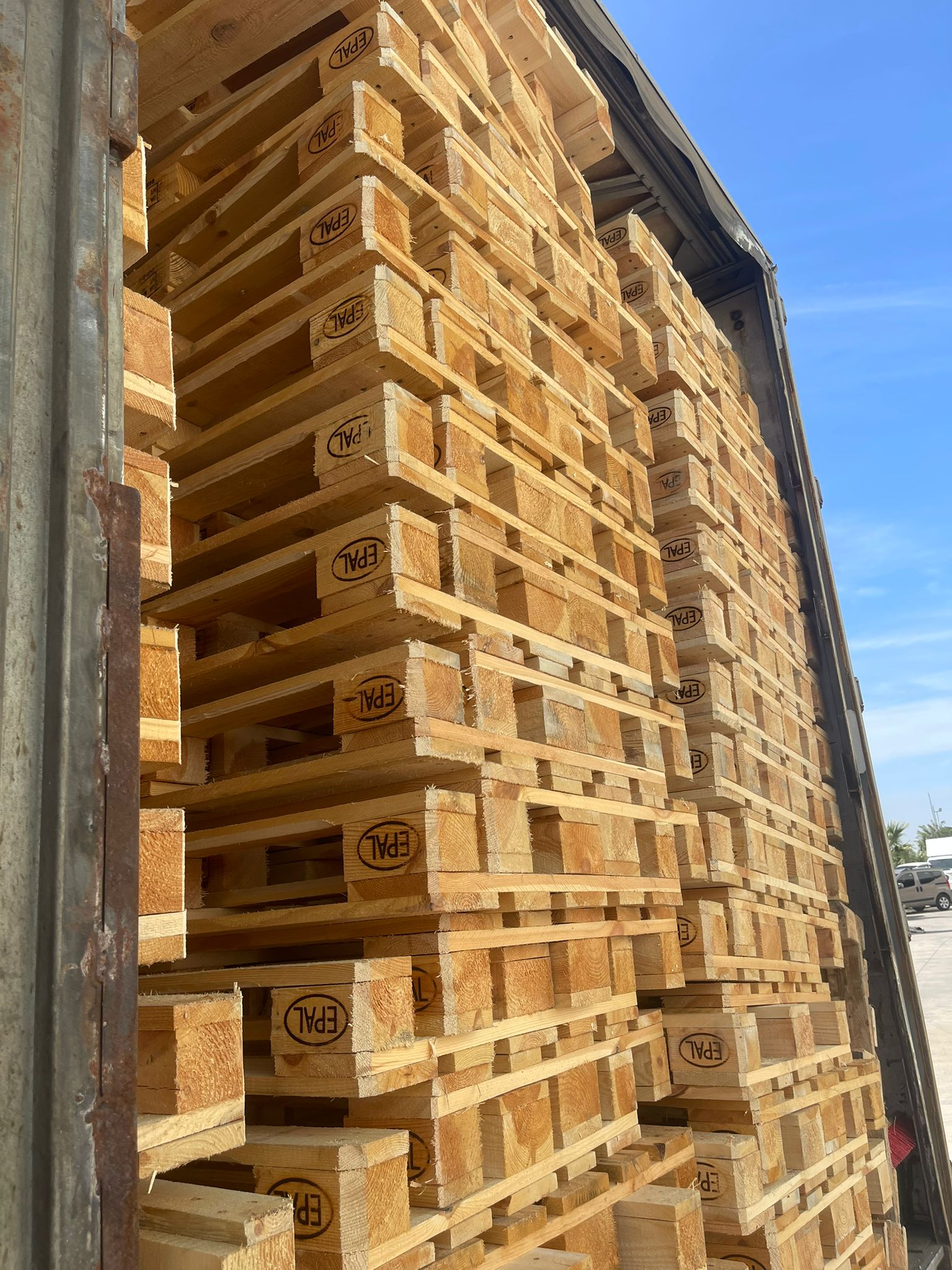
Wooden pallets are among the most popular types. Their durability, price, and strength make them a market staple. However, they may require to be dealt with for specific usages, especially in food and pharmaceutical sectors, to avoid contamination.
2. Plastic Pallets
Plastic pallets have acquired traction due to their lightweight, resistance to moisture, and ease of cleaning. They are typically used in environments where hygiene is essential, such as food processing plants.
3. Metal Pallets
Metal pallets are created for heavy loads and can stand up to severe conditions. They are typically used in automotive or production sectors due to their toughness and long life expectancy. However, they can be more costly than other choices.
4. Corrugated Pallets
These pallets are light-weight and mostly used for momentary or much shorter delivery needs. They are often used in advertising materials or for products that don’t require heavy-duty assistance.
5. Composite Pallets
Made from compressed products, composite pallets use a sustainable alternative. They are designed for repeated usage, providing a longer life expectancy and lower ecological impact.
Advantages of Purchasing New Pallets
Buying new pallets presents numerous advantages, including:
- Quality Assurance: New pallets guarantee the greatest quality, totally free from damage, wear, or insect problems. This is critical in markets where product integrity is essential.
- Modification: New pallets can be tailored to fulfill particular measurements and style requirements, ensuring compatibility with your operations.
- Enhancing Efficiency: By using new, durable pallets, businesses can improve handling and transport effectiveness, decreasing the risk of product damage.
- Compliance: In controlled industries, new pallets can meet the required security and compliance requirements.
- Cost-Effectiveness: While the preliminary investment may be greater, new pallets can frequently lead to long-lasting cost savings when thinking about life expectancy and decreased damage to goods.
Considerations When Buying New Pallets
Before purchasing, businesses must take several elements into account:
- Material Requirements: Assess environmental conditions and usage situations that will identify the best material type.
- Weight Capacity: Understand the load requirements to prevent premature wear or damage.
- Compliance Standards: Ensure the pallets satisfy market guidelines, especially for food, pharmaceuticals, and dangerous materials.
- Storage Space: Consider the dimensions of the pallets and the readily available storage to prevent space-related inefficiencies.
- Supplier Reputation: Partner with dependable providers that prioritize quality and can provide after-sales services.
FAQ Section
1. What is the typical life expectancy of a wooden pallet?
The typical life expectancy of a well-maintained wooden pallet can range in between 5 to 10 years, depending on its use and ecological conditions.
2. Are plastic pallets much better than wooden pallets?
This depends upon the usage case. Plastic pallets are generally cleaner, simpler to keep, and resistant to moisture; nevertheless, they can be more expensive upfront. Wooden pallets supply strength and adaptability, which might fit numerous fundamental shipping needs.
3. How can I determine the best pallet size for my items?
Assess the measurements of your products and think about using standard pallet sizes for performance. Make sure to take pallet height, width, and the weight of the items into account.
4. Can I use pallets for indoor storage?
Absolutely! In reality, pallets are typically used for indoor storage as they assist in airflow and safeguard items from wetness in the warehouse.
5. What are the very best practices for maintaining pallets?
Regular examinations, proper cleansing, and saving pallets in a dry area can help extend their life-span. Repair damaged pallets quickly to ensure security and compliance.
New pallets for sale are a chance that needs to not be ignored by organizations looking for to improve their operational effectiveness and product management strategies. By comprehending the various types of pallets available, assessing their advantages, and considering essential purchasing aspects, business can make educated decisions. Whether through the sturdiness of wooden pallets, the tidiness of plastic options, or the strength of metal pallets, discovering the best pallet solution can play a substantial role in the success of any operation.
Buying quality new pallets may at first look like a high-end, but their long-term advantages will unquestionably supply returns that are well worth the investment. By picking carefully, organizations can guarantee that their logistical operations run smoothly which their products are delivered safely and effectively.