

Falschgeld Online Kaufen
Add a review FollowOverview
-
Founded Date November 2, 1902
-
Sectors Business
-
Posted Jobs 0
-
Viewed 5
Company Description
11 “Faux Pas” That Are Actually Okay To Create With Your Buy Fake 50 Euro Notes
The Risks and Realities of Purchasing Fake 50 Euro Notes
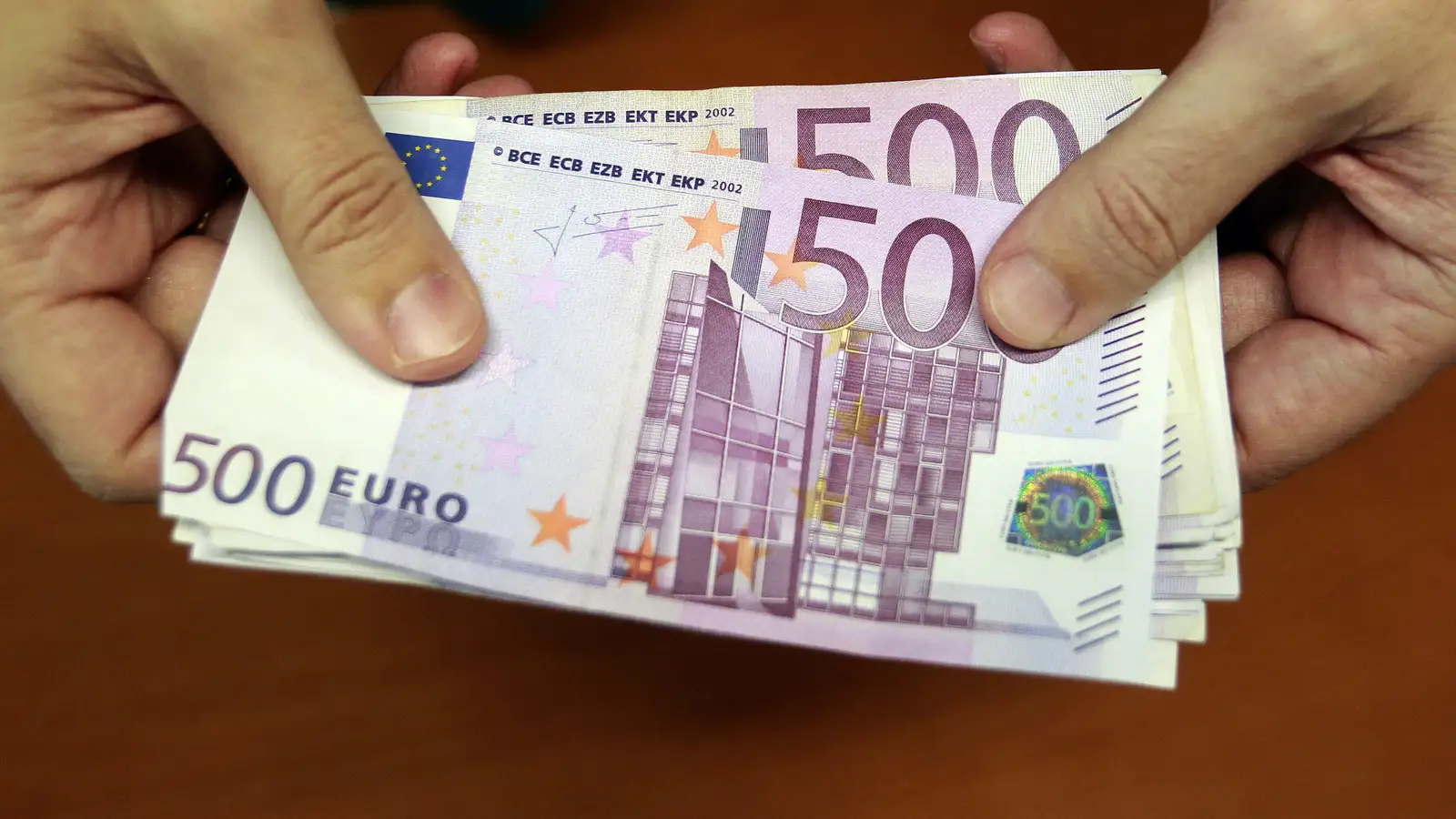
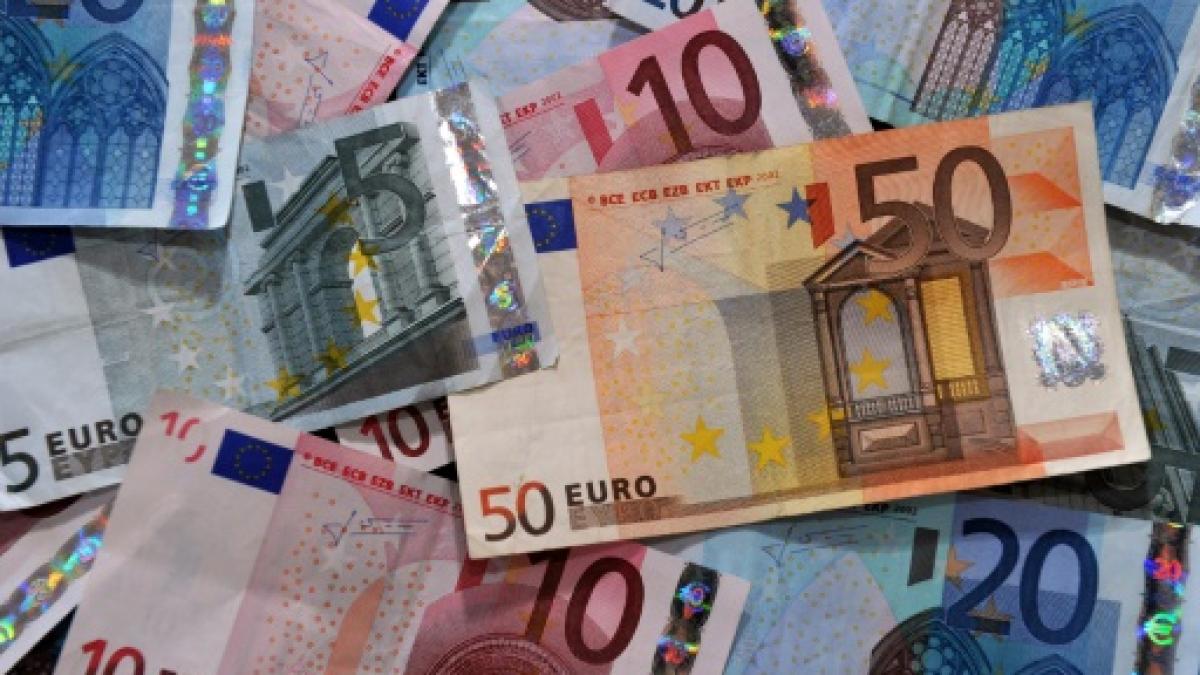
In the modern-day world, the increase of digital deals has actually rather overshadowed physical currency, however paper money remains an important part of everyday transactions in lots of European nations. The euro, introduced in 2002, is one of the most extensively utilized currencies worldwide, particularly in the Eurozone which makes up 19 of the 27 European Union (EU) member states. Among the denominations, the 50 euro note is noteworthy for its popularity and echte banknoten bestellen (https://www.deshawngiombetti.top) its function in everyday deals. Nevertheless, a darker side exists including counterfeit notes, particularly fake 50 euro notes. In this article, we will explore the risks related to buying counterfeit currency, the repercussions of taking part in such activities, and provide assistance on how to acknowledge genuine euro notes.
The Allure of Fake Currency
Counterfeit currency can appear attracting for different reasons. It promises easy monetary gain, especially when individuals think they can “make revenue” from these fake notes without being caught. Nevertheless, the reality of handling counterfeit money is far more complicated and can lead to severe repercussions.
Reasons People Might Seek Fake Euro Notes
- Financial Struggles: Individuals facing financial challenge might think about counterfeiting or acquiring fake currency as a fast service to their financial issues.
- Naivete: Some may really believe they can use fake notes without getting captured, perhaps affected by stories or anecdotes of successful deceptiveness.
- Criminal Intent: Others might aim to engage in fraudulent activities or scams, thinking that fake currency can provide them a course to illicit gains.
Legal Repercussions
Before engaging in any deals including counterfeit currency, it is crucial to comprehend the legal implications. Purchasing, producing, or dispersing counterfeit money is unlawful in almost every country, including those that use the euro. The relevant laws and potential charges might include:
- Criminal Charges: Those caught with counterfeit notes might face severe criminal charges, consisting of fraud or counterfeiting.
- Jail Time: Convictions can lead to considerable jail sentences, depending on the seriousness of the offense and the amount of counterfeit currency involved.
- Fines and Restitution: Offenders may be subject to hefty fines and required to pay restitution to victims of their fraud.
Understanding Genuine Euro Notes
To prevent falling victim to counterfeit notes or rip-offs, it is important to know how to recognize authentic euro currency. The European Central Bank (ECB) has geared up the euro notes with a variety of security features to fight counterfeiting. When managing 50 euro notes, keep an eye out for the following characteristics:
- Watermark: Hold the note up to the light to see a picture of Europa, the figure from Greek folklore, which is noticeable on both sides of the note.
- Hologram: Tilt the note to observe a shiny hologram that shows various images and colors, including another layer of security.
- Microprinting: Text is printed in really little lettering, which is challenging to replicate.
- Color-Changing Ink: The number “50” in the bottom corner changes color from purple to brown as you tilt the note.
- Feel: Genuine euro notes possess an unique texture due to the unique cotton and linen paper utilized in their production.
Tips for Spotting Counterfeit Notes
- Take a look at the Texture: Genuine euro notes feel distinct to the touch; they should be crisp, with a slight texture from the raised printing.
- Search for the Security Thread: Embedded in the paper, this thread is visible when held up to the light.
- Utilize a UV Light: In a darkened environment, authentic notes will expose hidden functions that counterfeit expenses will not duplicate.
The Impact of Counterfeiting on Society
Counterfeiting postures a substantial danger not only to the economy however likewise to the social trust that currency counts on. The consequences of prevalent counterfeiting consist of:
- Economic Loss: When counterfeit currency is distributed, companies incur losses that add to overall economic instability.
- Increasing Prices: The increase of fake currency can cause inflation, driving rates up as companies adjust to losses.
- Criminal activity Incentive: Counterfeiting promotes an environment that encourages other types of crime, weakening neighborhood security.
Often Asked Questions (FAQs)
1. Is it legal to have fake currency?
No, it is illegal to possess, produce, or distribute counterfeit currency. However, laws and penalties might vary by nation.
2. How can I tell if a 50 euro note is real?
Search for unique security features such as the watermark, hologram, micro-printing, color-changing ink, and by examining the texture of the note.
3. What should I do if I receive a fake euro note?
If you believe you have gotten a counterfeit note, do not attempt to use it again. Report it to local authorities or your bank.
4. Are fake euro notes easy to spot?
While some counterfeit notes are fairly crude and simple to determine, advanced reproductions may require specific understanding or equipment to discover.
5. How can I secure myself from counterfeit currency?
Educate yourself on the features of genuine currency. When handling cash, focus on its information, and usage tools like UV light detectors if necessary.
While the temptation to purchase fake 50 euro notes might be driven by financial need or ignorance, the implications can be profound and lasting. By understanding the threats related to counterfeit currency, recognizing the functions of real euro notes, and maintaining the integrity of monetary systems, people can play a crucial function in combating this pernicious problem. Participating in counterfeiting not just harms the economy but also threatens societal trust, making it important for people to be informed and mindful in their financial dealings.