

Electric Integrated Oven
Add a review FollowOverview
-
Founded Date March 22, 1995
-
Sectors Health Care
-
Posted Jobs 0
-
Viewed 63
Company Description
What’s The Current Job Market For Kitchen Built In Oven Professionals?
The Ultimate Guide to Kitchen Built-In Ovens: What You Need to Know
When it pertains to modern kitchens, the built-in oven is more than just a home appliance; it is a statement of style, performance, and functionality. Built-in ovens are developed to incorporate seamlessly into cabinetry, providing a smooth appearance that enhances the overall style of the kitchen. This article checks out the various types, advantages, and considerations of kitchen Built in oven built-in ovens, and supplies insights to help you make an educated buying decision.
Tabulation
- What is a Built-In Oven?
- Types of Built-In Ovens
- 2.1 Single Ovens
- 2.2 Double Ovens
- 2.3 Steam Ovens
- 2.4 Wall Ovens
- Advantages of Built-In Ovens
- Key Features to Look For
- Installation Considerations
- Frequently Asked Questions
- Conclusion
1. What is a Built-In Oven?
A built-in oven is an oven developed to be set up within kitchen cabinetry instead of as a freestanding unit. This design permits greater visual flexibility while making the most of available kitchen area. Built-in ovens been available in numerous sizes and configurations, catering to diverse cooking requirements and kitchen styles.
2. Kinds Of Built-In Ovens
Comprehending the different types of built-in ovens can assist consumers choose the best one for their kitchen setups and cooking designs.
2.1 Single Ovens
Single ovens are compact and designed to fit within basic cabinet widths. These ovens generally offer adequate area for daily cooking needs, such as baking or roasting. They can be found in different electric or gas models and are often user-friendly with simple controls.
2.2 Double Ovens
For people who regularly host large events or enjoy cooking multi-course meals, double ovens can be a lifesaver. These systems consist of two different oven compartments and offer increased cooking capacity, enabling simultaneous baking or roasting at different temperature levels.
2.3 Steam Ovens
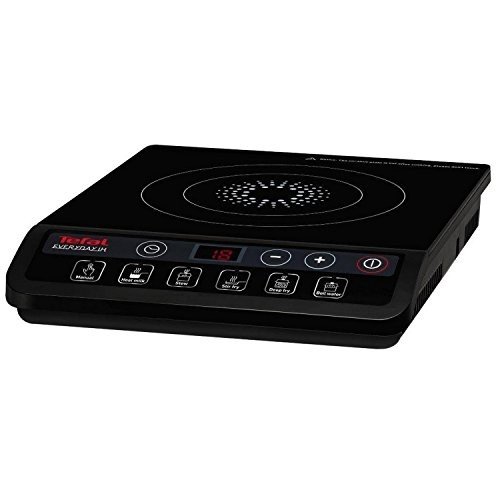
Steam ovens make use of steam to prepare food, which helps retain wetness and nutrients. These ovens are progressively popular amongst health-conscious individuals and gourmet cooks. Steam ovens can be built-in together with standard ovens for a flexible kitchen setup.
2.4 Wall Ovens
Wall ovens are developed to be set up within a wall rather than under countertops. They use practical access and can be integrated with other wall-mounted kitchen appliances. Wall ovens might be offered as single or double units.
3. Advantages of Built-In Ovens
Choosing a built-in oven includes many benefits:
- Space Efficiency: Built-in ovens can be tucked into kitchen cabinetry, maximizing important kitchen space.
- Aesthetic Appeal: They supply a cleaner, more contemporary appearance than standard freestanding ovens.
- Range of Designs: Built-in ovens are available in multiple finishes, including stainless steel, black, and white, permitting integration with different kitchen styles.
- Enhanced Functionality: Many built-in ovens come equipped with innovative features such as self-cleaning modes, touch screens, and convection innovation.
4. Secret Features to Look For
When choosing a built-in oven, think about the following features to enhance cooking functionality:
- Temperature Range: A broader temperature level range enables higher versatility in cooking numerous dishes.
- Self-Cleaning Options: Look for designs that provide self-cleaning abilities to conserve time and effort on maintenance.
- Convection Cooking: Convection ovens flow air to cook food equally and quickly.
- Wi-Fi Connectivity: Some contemporary built-in ovens come with Wi-Fi ability, allowing users to control settings or preheat the oven from another location.
- Safety Features: Check for features like automatic shut-off, kid locks, and cooling systems to ensure maximum safety.
5. Installation Considerations
Before purchasing a built-in oven, particular installation aspects need to be resolved:
- Size and Dimensions: Ensure the picked oven fits the designated area. Step the height, width, and depth of the desired setup area.
- Ventilation: Gas ovens need appropriate ventilation to ensure safety. Consult an expert if necessary.
- Electrical Requirements: Check the electrical requirements of the chosen system to guarantee compatibility with existing outlets.
- Expert Installation: If you’re not experienced in appliance installation, it might be smart to seek professional assistance to make sure correct fitting and compliance with regional codes.
6. Regularly Asked Questions
Q1: How do built-in ovens differ from freestanding ovens?A: Built-in ovens are set up in kitchen cabinetry for a seamless look, while freestanding ovens stand alone and do not need built-in setup.
Q2: Can you set up a built-in oven yourself?A: While some people with experience may select to set up an oven themselves, it is generally advised to hire a professional to ensure electric or gas connections are safely set up. Q3: Are built-in ovens energy-efficient? A: Many built-in ovens feature energy-saving innovation and are often more effective compared to older designs. Always check energy ratings before purchasing. Q4: Do built-in ovens need special maintenance?A: Regular upkeep includes keeping
the interior clean and inspecting for any wear and tear. Self-cleaning
models can streamline this task significantly. Q5: What is the typical life-span of a built-in oven?A: The average life expectancy of a built-in oven is usually in between 10 to 15 years, depending upon use and maintenance practices. 7. Conclusion Investing in a built-in oven can enhance both the functionality and aesthetic appeals of your kitchen. With various types and functions offered, customers
can choose models that
best fit their cooking style and design choices. Whether a skilled chef or a home cook, the advantages of opting for a built-in oven are clear. By thinking about the info detailed in this guide, individuals can make educated choices that will lead to years of cooking satisfaction. Additional Resources For further information on kitchen appliances, consider taking a look at the list below resources: Consumer Reports: Product reviews and buying guides. Energy Star: Energy-efficient device recommendations. Home Improvement Stores: Local professionals can supply extra insights and guidance. Starting a kitchen remodelling or upgrade can be
- an exciting journey, and picking the right built-in oven plays a crucial function
- in developing apractical and stylish cooking environment.