

Drivers License Online
Add a review FollowOverview
-
Founded Date February 23, 1960
-
Sectors Health Care
-
Posted Jobs 0
-
Viewed 16
Company Description
Why Drivers Licence Uk Still Matters In 2024
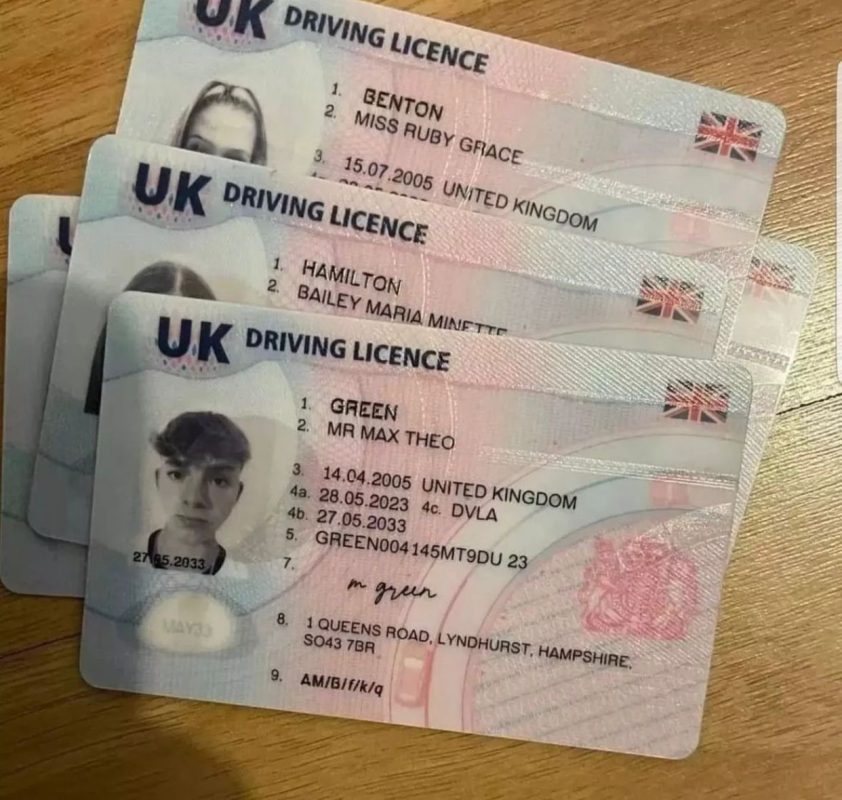
Understanding the UK Driver’s Licence: A Comprehensive Guide
Acquiring a driver’s licence in the United Kingdom is a significant milestone for many individuals. It not just signifies self-reliance however also provides greater liberty in personal and professional elements of life. This short article intends to supply an in-depth summary of the UK driver’s licence, consisting of how to apply, different kinds of licences, and various guidelines associated with driving in the UK.
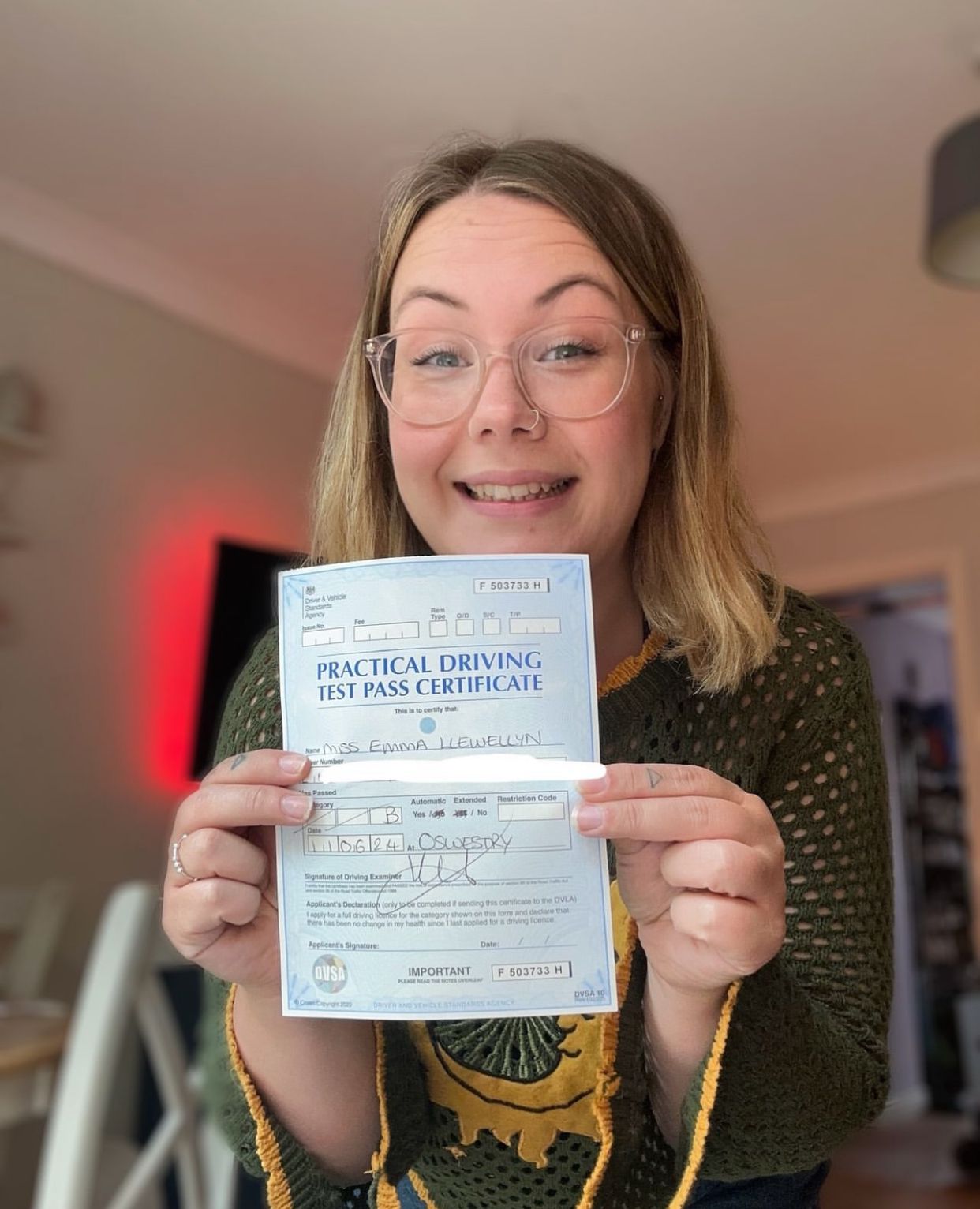
Introduction of the UK Driver’s Licence
In the UK, a driver’s licence is a main file that allows an individual to operate automobile on public roads. The driving licence system in the UK is structured and controlled by the Driver and Vehicle Licensing Agency (DVLA).
Types of UK Driver’s Licences
The UK uses several types of driving licences, each customized for various categories of lorries. These consist of:
-
Provisional Licence:
- Age Requirement: Minimum of 17 years
- Enables learners to drive under specific conditions.
- Can not drive without a certified driver accompanying them.
-
Complete Licence:
- Issued as soon as a person has actually passed both the theory and practical driving tests.
- Various categories readily available based upon lorry types:
- Category B: Cars
- Classification A: Motorcycles
- Classification C: Large goods automobiles
- Classification D: Buses
-
International Driving Permit (IDP):
- Required for driving in some foreign countries.
- Released to UK licence holders at Post Office branches.
-
Short-term Licences:
- For individuals who may have lost their licence or are awaiting updates on their present licence.
The Application Process for a UK Driver’s Licence
Looking for a driver’s licence in the UK involves a number of steps, whether for a provisional or full licence. Here are the important steps in information:
Step 1: Obtain a Provisional Licence
- Eligibility: Individuals need to be at least 17 years of ages to apply.
- Application: Applications can be made online via the DVLA site or through paper kinds offered at post offices.
- Files Required:
- Proof of identity (passport or another official ID).
- National Insurance number (if offered).
- A postal address in Great Britain.
Step 2: Study for the Theory Test
- Content: The theory test consists of multiple-choice questions and a danger perception test.
- Preparation: Various resources are offered, including online courses, apps, and books that aid in preparation.
Action 3: Pass the Theory Test
- The theory test must be cleared before attempting the practical driving test.
Step 4: Practical Driving Test
- Knowing and Instruction: An individual can take driving lessons with a certified instructor or find out with an approved accompanying driver.
- Reserving the Test: Once positive in driving abilities, candidates can book their practical test online.
- Test Components: The useful test evaluates driving skills, maneuvers, and real-world driving conditions.
Step 5: Receiving the Full Licence
- After effectively passing the practical driving test, the DVLA will issue a complete driving licence, which permits individuals to drive separately.
Guidelines and Regulations
Preserving a legitimate driving licence in the UK needs adherence to several guidelines and guidelines:
- Renewal: Licences need to be renewed every 10 years. Renewal can be done online or through paper application.
- Points System: The UK employs a penalty points system. Certain traffic offences lead to points being included to a driver’s licence, which can cause extreme repercussions if the accumulation goes beyond a specific limitation.
- Medical Conditions: Drivers should notify the DVLA of any medical condition that might impact their ability to drive.
Typical Challenges in Obtaining a Licence
Obtaining a driver’s licence can often be challenging. Here are some common obstacles dealt with by aiming drivers and suggestions on how to tackle them:
- Nervousness During Tests: Many prospects experience stress and anxiety during their theory or practical tests. It is advisable to take mock tests or participate in session to construct confidence.
- Failure to Pass Tests: If an individual fails their tests, they can retake them after a particular waiting period. Preparing with extra driving lessons or research study products can assist in subsequent attempts.
- Understanding Rules: The complexities of road guidelines and policies may be frustrating. Registering in a credible driving school can supply clarity and insight into these guidelines.
FAQ Section
1. The length of time does it take to get a driving licence in the UK?The timeline differs based upon the individual’s learning pace. Typically, obtaining a full licence can take a few months, including finding out time and the waiting period for tests. 2. Can I drive while awaiting my complete
licence?You can drive with your provisional licence if accompanied by a certified driver who is at least 21 years of ages and has held a full licence for 3 or more years. 3. What do I do if I lose my driving licence?You can get a replacementlicence via the DVLA website or through post, supplying essential recognition and paying the needed cost. 4. How much does it cost to get a driver’s licence in the UK?Costs can differ significantly but generally consist of application fees
, the theory test fee, dry run fees, and driving lessons. In general, it may amount to thousands of pounds, depending on private scenarios. 5. Is there a minimum variety of lessons I should take?There is no official minimum variety of lessons mandated. Nevertheless, taking lessons up until you feel great is a good idea.
Getting a driver’s licence in the UK is a gratifying process that opens the door to movement and flexibility. By understanding the steps involved, the kinds of licences available, and the policies governing driving, prospective drivers can navigate the system efficiently. Whether one is a learner or a knowledgeable driver, remaining informed on the most recent regulations and best practices is important to guarantee safe and accountable driving within the UK.