

Drivers License Online
Add a review FollowOverview
-
Founded Date July 12, 1914
-
Sectors Security
-
Posted Jobs 0
-
Viewed 20
Company Description
Driver License Uk: A Simple Definition
Understanding the UK Driver License: A Comprehensive Guide
In the United Kingdom, holding a driver’s license is a vital aspect of movement and self-reliance. Enabling people to run automobile legally, the driver license system is governed by a set of policies that make sure both security and skills on the roads. This short article looks into the complexities of acquiring a UK driver license, the different types offered, the application process, renewal requirements, and regularly asked questions concerning the licensing system.
Kinds Of Driver Licenses in the UK
In the UK, driver licenses are categorized based upon the kind of lorry being run. The following are the main classifications:
-
Category B: This is the most typical type for vehicles. It permits the holder to drive automobiles with a maximum weight of 3.5 tonnes and carrying as much as 8 travelers.
-
Classification A: Pertaining to bikes, this classification is divided into three subcategories:
- A1: Light bikes (approximately 125cc)
- A2: Medium bikes (up to 400cc)
- A: Any bike
-
Category C: For bigger vehicles such as trucks, this classification allows the holder to drive vehicles over 3.5 tonnes.
-
Category D: This is designated for driving buses and coaches, which can carry more than eight passengers.
-
Category BE, CE, and DE: These allow the driving of bigger vehicles with trailers.
Getting the right license is essential, not just for legal compliance however also for making sure the safety of the driver, passengers, and other road users.
Actions to Obtain a UK Driver License
Acquiring a driver license in the UK includes several steps, that include:
Step 1: Apply for a Provisional License
Before learning to drive, individuals need to get a provisionary license. The requirements consist of:
- Being at least 17 years old (or 16 if getting a bike or moped license).
- Offering identification, such as a passport or biometric residence license.
- Paying the relevant charge.
Action 2: Prepare for the Theory Test
When in possession of a provisional license, candidates must get ready for the theory test, which is divided into 2 parts:
- Multiple-choice concerns: Testing understanding of roadway rules and regulations.
- Threat understanding test: Evaluating the ability to recognize possible threats on the road.
Action 3: Pass the Driving Test
After passing the theory test, people can reserve a useful driving test. This includes:
- Taking lessons with a qualified trainer to acquire driving skills.
- Undergoing a useful test that assesses driving capability, decision-making, and roadway security awareness.
Step 4: Acquire a Full License
Upon passing the driving test, the individual can apply for a full driving license. The actions consist of:
- Completing the application form supplied by the Driver and Vehicle Licensing Agency (DVLA).
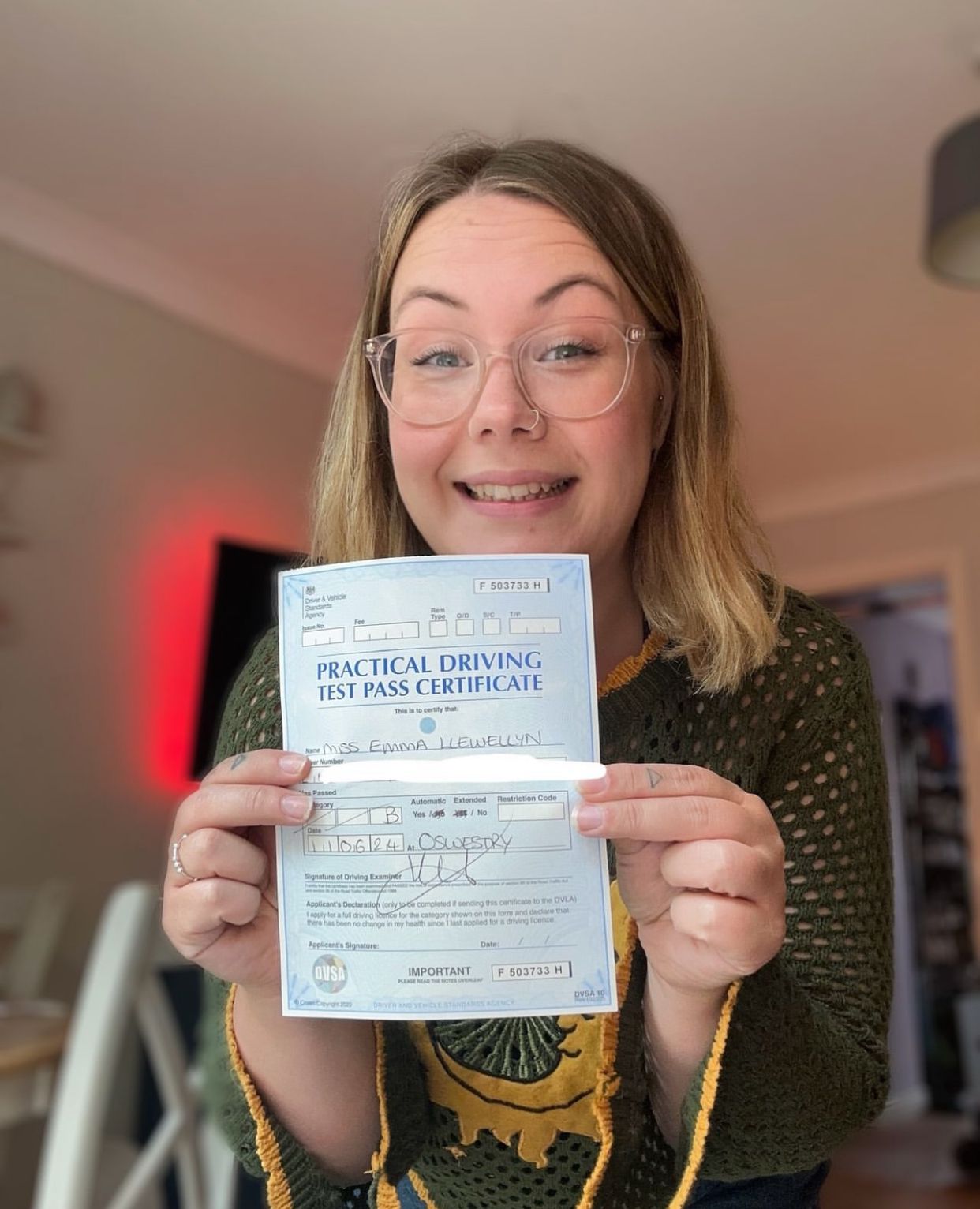
- Submitting the needed documents consisting of the pass certificate from the driving test.
- Paying the charge for the full license.
Step 5: Understanding the Probationary Period
New drivers in the UK are subject to a probationary duration of two years after passing the driving test. Throughout this time, building up six or more charge points can lead to the license being revoked.
Renewing Your Driver License
Driver licenses in the UK do not expire indefinitely; they require renewal. It is suggested to renew your license every 10 years. Here are the actions for renewal:
-
Check your eligibility: Valid driving licenses should be renewed before they end or if there are changes to personal scenarios (such as health status).
-
Submit the renewal application: This can be done online or via post. The renewal application needs comparable paperwork as the preliminary application, consisting of identification and any suitable costs.
-
Wait for processing: Once the application has been sent, it generally uses up to three weeks to receive the restored license.
Frequently Asked Questions (FAQs)
Q1: Can I drive with an abroad license in the UK?
Yes, visitors to the UK can drive utilizing a legitimate abroad driver license for approximately 12 months. Nevertheless, after this period, they should look for a UK license if they want to continue driving.
Q2: What documents do I need to get a provisionary license?
You will require proof of identity, a passport-sized photo, and payment for the application charge. In addition, if you have actually changed your name, you’ll need to offer supporting files such as a marital relationship certificate or deed poll.
Q3: What happens if I lose my driver license?
If you lose your driver license, you must report the loss to the DVLA and make an application for a replacement. This can be done online or through a paper application.
Q4: Are there any unique factors to consider for obtaining a license for individuals with disabilities?
Yes, the UK has provisions and Webpage support readily available for people with specials needs. Each case is examined on a private basis, and adjustments in cars might be necessary. The DVLA provides additional support for this procedure.
Q5: How long does it require to get a complete driving license after passing the test?
Normally, when you pass the useful driving test, you can anticipate to receive your full license within three weeks. However, this can vary based upon the volume of applications the DVLA is processing.
Acquiring a UK driver license is a multifaceted process that needs dedication and understanding of roadway safety. From the initial application for a provisionary license through to the last acquisition of a complete driving license, each action contributes substantially to making sure that the roadways stay safe for all users. By understanding the different requirements and keeping up with changes in legislation, aspiring drivers can navigate the intricacies of the UK licensing system with self-confidence.