

Built In Ovens Sale
Add a review FollowOverview
-
Founded Date February 14, 1935
-
Sectors Business
-
Posted Jobs 0
-
Viewed 10
Company Description
10 Tips To Know About Oven And Hob
The Complete Guide to Ovens and Hobs: Choosing the Right Appliances for Your Kitchen
When it comes to developing cooking work of arts, the importance of quality kitchen appliances can not be overemphasized. Ovens and hobs are the heart of any kitchen, making it possible for home cooks and professional chefs alike to produce, bake, and sauté tasty meals. Comprehending the various types of ovens and hobs, in addition to their functions and performances, is vital for making educated purchasing choices. This short article uses an extensive appearance at ovens and hobs, helping you browse the choices available so that you can improve your kitchen’s effectiveness and flexibility.
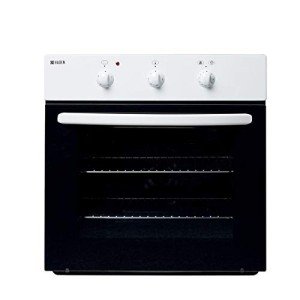
Understanding Ovens
Ovens are essential for cooking and baking and come in different types to satisfy diverse culinary requirements. Here is an introduction of the most common types of ovens:
1. Standard Ovens
Standard ovens work by heating up the air inside with gas or electric aspects. They are ideal for baking cakes, roasting meats, and cooking casseroles.
2. Convection Ovens
These ovens use a fan to distribute hot air, providing an even temperature level throughout, which can considerably reduce cooking times. They are perfect for baking cookies or roasting veggies.
3. Microwave Ovens
Microwaves cook food rapidly utilizing electromagnetic radiation. They are ideal for reheating leftovers or defrosting frozen foods but are not ideal for browning or crisping.
4. Wall Ovens
Integrating a wall oven into your kitchen design can conserve space and create a sleek visual. They operate much like traditional or convection ovens however are built into the wall for simple access.
5. Variety Ovens
These ovens integrate stovetop burners with an oven, offering versatility for those who choose a single appliance for all cooking needs.
| Type | Cooking Method | Best For |
|---|---|---|
| Traditional | Electric/Gas | Baking, roasting |
| Convection | Air flow | Quick cooking, even baking |
| Microwave | Electro-magnetic | Reheating, defrosting |
| Wall Ovens | Electric/Gas | Space-saving, sleek style |
| Variety Ovens | Electric/Gas | Flexible cooking |
Exploring Hobs
Hobs, also known as cooktops or stovetops, offer the surface to prepare pans directly over a heat source. Like ovens, hobs can be found in numerous types, which can be categorized as follows:
1. Gas Hobs
These hobs use a flame for cooking and supply instant heat control. They are favored by lots of chefs for their responsiveness and accuracy.
2. Electric Hobs
Electric hobs utilize coils or flat surface areas to heat pans. They provide a consistent heat source, but they may take longer to cool off compared to gas hobs.
3. Induction Hobs
Induction hobs use electro-magnetic energy to heat pots and pans directly, making them extremely effective and faster to prepare. They are likewise simpler to clean as the surface area remains reasonably cool.
4. Solid Plate Hobs
These are older technology that uses strong metal plates to supply heat. They are durable however are less effective than modern options.
| Type | Heat Source | Advantages | Downsides |
|---|---|---|---|
| Gas Hobs | Flame | Instantaneous heat control | Requires gas connection |
| Electric Hobs | Electric coils | Constant heat | Slower to cool off |
| Induction Hobs | Electromagnetic | Fast cooking, energy-efficient | Needs compatible cookware |
| Solid Plate Hobs | Solid metal plate | Durability | Less efficient |
Picking the Right Appliances
Selecting the perfect oven and hob for your kitchen involves considering numerous aspects:
1. Space and Layout
Procedure your kitchen location to identify the size and positioning of the oven and hob. Make sure there is appropriate ventilation, particularly for gas home appliances.
2. Cooking Style
Consider how typically you prepare and the type of meals you prepare. A stove might match passionate bakers, while somebody who regularly stir-fries may choose an induction hob.
3. Energy Source
Select the energy source that best fits your lifestyle. Gas offers instant control, while electric and induction hobs offer ease of use and are typically more energy-efficient.
4. Spending plan
Determine your budget plan for kitchen appliances. Ovens and hobs vary substantially in rate, depending on functions and brand names. Prioritize important features that fulfill your needs.
5. Features
Try to find performances such as self-cleaning choices, wise innovation compatibility, specific rack configurations for ovens, and safety functions for hobs.
Regularly Asked Questions (FAQs)
Q1: What is the distinction in between a conventional oven and a convection oven?A1: Conventional ovens heat up the air inside without fans, while convection ovens use a fan to flow hot air for more even cooking. Q2: Can I use aluminum pots and pans on induction hobs?A2: No, induction hobs require ferrous (magnetic )products like cast iron or stainless steel to work efficiently. Q3: Do gas hobs heat much faster than electric hobs?A3: Yes, gas hobs supply immediate heat, making them faster for cooking compared to electric hobs. Q4: Is it safe to utilize a microwave oven Sale Uk?A4: Yes, when utilized according to the producer’s guidelines, microwave ovens are thought about safe for cooking.
Q5: How often should I clean my oven and hob?A5: For optimal performance, tidy your oven regularly, particularly after spills. Hobs ought to be wiped down after each usage
to avoid accumulation. Ovens and hobs
are vital components of a well-equipped kitchen. Understanding the various types, their performances, and the considerations included in buying
them can considerably enhance cooking experiences. Whether one is a casual home cook or a professional chef, investing time in choosing the ideal devices can result in cooking success and complete satisfaction in the kitchen. By focusing on functions that align with your cooking style, energy sources that fit your home, and budget plan considerations, you can develop an effective work area that inspires cooking imagination.