

Best Robot Vacuum And Mop UK
Add a review FollowOverview
-
Founded Date October 21, 1947
-
Sectors Security
-
Posted Jobs 0
-
Viewed 8
Company Description
What’s The Current Job Market For Good Robot Vacuum Cleaner Professionals Like?
The Silent Housekeeper: Finding the Right Robot Vacuum Cleaner for a Spotless Home
In today’s busy world, time is a valuable commodity. Household chores, while required, often fall to the bottom of the priority list. Enter the robot vacuum cleaner– a marvel of contemporary convenience designed to reclaim your time and preserve a tidy home with very little effort. No longer a futuristic dream, robot vacuums have actually ended up being significantly sophisticated, efficient, and accessible, transforming the method we approach floor cleaning.
However with a huge selection of designs flooding the marketplace, navigating the world of robot vacuums can feel frustrating. What functions genuinely matter? How do you select one that suits your particular needs and home? This post will dig into the essential aspects of picking a “excellent” robot vacuum cleaner, equipping you with the understanding to make a notified choice and welcome a quiet, effective housekeeper into your home.
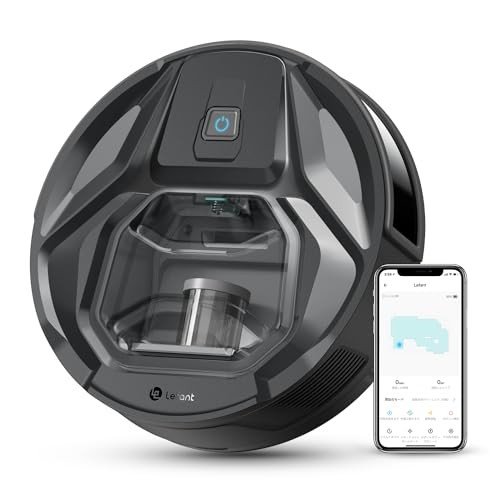
What Defines a “Good robot vacuum cleaner” Robot Vacuum Cleaner?
The definition of a “great” robot vacuum extends beyond mere suction power. It includes a combination of elements that add to reliable cleaning, ease of use, and long-term worth. Here are the crucial components to consider:
1. Navigation and Mapping Prowess:
A robot vacuum’s capability to browse your home wisely dictates its cleaning efficiency and coverage. There are a number of navigation technologies employed, each with its own strengths:
- Random Navigation: These entry-level designs move in a seemingly random pattern, bouncing off barriers up until the battery runs low. While affordable, they can be less effective, missing out on spots or cleaning areas numerous times.
- Organized Navigation (Row-by-Row/Zig-Zag): These robots clean in straight, parallel lines, making sure more systematic protection. They are normally more efficient than random navigation designs.
- Smart Mapping with SLAM (Simultaneous Localization and Mapping): This advanced innovation, frequently making use of LiDAR (Light Detection and Ranging) or camera-based systems, allows the robot to develop a comprehensive map of your home. This map enables:
- Efficient Path Planning: Optimized cleaning routes for faster and more total protection.
- Zoned Cleaning: Target particular rooms or locations for cleaning directly from an app.
- Virtual Walls and No-Go Zones: Define limits to avoid the robot from going into specific locations, like fragile carpets or pet bowls.
- Multi-Floor Mapping: Some advanced designs can store maps of several floors, suitable for multi-story homes.
2. Suction Power and Cleaning Performance:
The main function of a robot vacuum is, of course, cleaning. Suction power is a crucial sign of its ability to raise dirt, dust, and debris from various floor types.
- Floor Type Matters: Homes with mainly tough floors (wood, tile, laminate) might not need the most powerful suction, while homes with carpets and carpets will gain from greater suction to successfully draw out dirt and pet hair embedded in the fibers.
- Brush Roll Design: The brush roll beneath the robot plays an essential function in agitating dirt and directing it towards the suction nozzle. Different brush roll styles are optimized for different floor types. Some function bristles for carpets, while others make use of rubber blades or a mix for tough floors and pet hair management.
- Specialized Features: Look for features like “carpet increase,” where the robot automatically increases suction when it discovers carpet, and edge cleaning modes, utilizing side brushes to effectively clean along walls and baseboards.
3. Battery Life and Coverage Area:
Battery life dictates the length of time your robot vacuum can clean on a single charge and, consequently, the size of the area it can cover.
- Consider Your Home Size: Larger homes will require robots with longer battery life. Some designs can run for 90-120 minutes or more, while others might offer 60 minutes or less.
- Auto-Recharge and Resume: Many robot vacuums include auto-recharge. When the battery is low, they automatically go back to their charging dock, recharge, and then resume cleaning from where they ended. This is especially helpful for larger homes.
4. Smart Features and Convenience:
Modern robot vacuums frequently come equipped with a variety of smart functions that improve their performance and user experience:
- App Control: Most smart robot vacuums can be managed by means of a mobile phone app, enabling you to:
- Start, stop, and pause cleaning cycles remotely.
- Arrange cleaning times.
- Display cleaning progress and battery status.
- Access maps, set zones, and virtual walls (for mapping models).
- Change suction power and cleaning modes.
- Voice Control Integration: Compatibility with voice assistants like Amazon Alexa or Google Assistant allows hands-free control through voice commands.
- Mopping Functionality: Some robot vacuums are hybrid devices, including a mopping function. These frequently include a water tank and a mopping pad that drags behind the vacuum, damp-mopping hard floorings.
- Challenge Avoidance: Advanced models make use of sensing units to spot and avoid barriers like furniture legs, pet bowls, and cables, reducing the opportunities of getting stuck or running into objects.
- Dustbin Capacity and Ease of Emptying: A larger dustbin reduces the frequency of clearing. Think about the ease of eliminating and clearing the dustbin – some are simpler and less unpleasant than others.
- Filtration System: HEPA filters are useful for allergy patients, as they trap fine dust particles and allergens.
- Noise Level: Robot vacuums vary in sound levels. If sound sensitivity is a concern, try to find designs that are advertised as quieter.
Choosing the Right Robot Vacuum for Your Needs:
Selecting the perfect robot vacuum depends upon your particular home environment and cleaning priorities. Think about these factors:
- Your Floor Type:
- Predominantly Hard Floors: Focus on designs with effective methodical navigation, excellent suction, and think about a vacuum-mop hybrid for included floor cleaning abilities.
- Carpets and Rugs: Prioritize high suction power, a brush roll designed for carpets, and possibly features like carpet increase.
- Combined Flooring: Look for flexible models that perform well on both hard floorings and carpets, ideally with automatic floor type detection and suction modification.
- Home Size and Layout:
- Apartments or Small Homes: A basic design with random or systematic navigation and basic battery life might be adequate.
- Larger Homes or Multi-Level Homes: Invest in a robot with smart mapping, long battery life, auto-recharge and resume, and possibly multi-floor mapping capabilities. Think about having numerous robots for various floors or manually moving one robot in between levels.
- Pet Owners: Pet hair is a common cleaning challenge. Search for robot vacuums particularly created for pet owners, characterized by:
- Strong Suction: To successfully pick up pet hair and dander.
- Tangle-Free Brush Rolls: To lessen hair wrap and keep cleaning performance.
- Larger Dustbins: Pet hair can quickly fill dustbins.
- HEPA Filters: To trap pet dander and irritants.
- Budget plan: Robot vacuum costs vary substantially. Establish your budget and prioritize functions based on your needs.
- Entry-Level: Basic cleaning performance, random or organized navigation, ideal for smaller areas.
- Mid-Range: Improved navigation, more powerful suction, more smart features, excellent balance of performance and cost.
- High-End: Advanced navigation (LiDAR mapping), premium features, superior cleaning efficiency, typically with self-emptying dustbins and more advanced app control.
Leading Robot Vacuum Brands to Consider:
While many brands exist, some consistently receive high scores and are known for their quality and efficiency. Credible brands consist of:
- iRobot Roomba: A leader in the robot vacuum market, understood for reliability and a vast array of models accommodating different spending plans and needs.
- Shark: Focuses on powerful suction and innovative brush roll designs, often excelling in pet hair removal.
- Eufy (by Anker): Offers a balance of features and price, providing great worth for cash.
- Roborock: Known for innovative technology, especially LiDAR navigation and thorough app functions, typically providing high performance at competitive costs.
- Samsung: Integrates smart home technology and elegant styles, with models using great performance and functions.
- Ecovacs: Provides a wide array of designs, consisting of those with advanced mopping capabilities and obstacle avoidance.
Maintaining Your Robot Vacuum:
To guarantee your robot vacuum runs optimally and lasts longer, regular upkeep is vital:
- Empty the Dustbin Regularly: Ideally after each cleaning cycle or as required.
- Clean the Brush Roll and Side Brushes: Remove hair and debris that can get tangled around the brushes.
- Clean or Replace Filters: Follow maker recommendations for filter upkeep.
- Clean Sensors Clean: Dust and debris can obstruct sensing units, impacting navigation.
- Inspect for Obstructions: Periodically check wheels and moving parts for any obstructions.
Conclusion:
An excellent robot vacuum cleaner is more than simply a gadget; it’s a financial investment in time-saving convenience and a cleaner, much healthier home. By understanding the crucial functions, considering your specific needs and home environment, and doing a little research study, you can with confidence pick a robot vacuum that will become your relied on silent housekeeping partner, releasing you to concentrate on what matters most. Let your robot vacuum look after the floorings, so you can take back your time.
Frequently Asked Questions (FAQs) about Robot Vacuum Cleaners:
Q1: Are robot vacuum worth the financial investment?
A: For numerous, yes. Robot vacuums offer considerable benefit by automating a repetitive chore. They are outstanding for everyday maintenance cleaning, keeping floors regularly tidier and decreasing the requirement for regular manual vacuuming.
Q2: How typically should I run my robot vacuum?
A: It depends upon your needs and lifestyle. Daily cleaning is ideal for high-traffic areas or homes with pets. For less busy families, running it a few times a week might be sufficient. Scheduling is a great feature to automate this process.
Q3: Can a robot vacuum entirely replace a standard vacuum cleaner?
A: While robot vacuums are outstanding for everyday surface cleaning, they might not completely change a conventional vacuum for deep cleaning jobs, reaching tight corners, or cleaning upholstery. They are best considered as a complement to, rather than a full replacement for, standard vacuuming.
Q4: Do robot vacuums work well on dark carpets?
A: Some older or less advanced robot vacuums can have problem spotting dark carpets, sometimes mistaking them for ledges and preventing them. However, numerous modern designs are created to navigate dark surface areas efficiently. Check product specs and reviews if you have dark carpets.
Q5: How long do robot vacuum typically last?
A: The lifespan of a robot vacuum depends on elements like brand name quality, frequency of usage, and upkeep. Generally, a properly maintained robot vacuum can last for several years, normally ranging from 3 to 7 years. Battery life may break down over time and require replacement eventually.