

30 Ft Shipping Container Dimensions
Add a review FollowOverview
-
Founded Date July 2, 2015
-
Sectors Health Care
-
Posted Jobs 0
-
Viewed 30
Company Description
What’s The Job Market For 30 Foot Containers Professionals?
Understanding 30-Foot Containers: A Comprehensive Guide
When it concerns shipping, storage, or construction, containers are an important element of logistics and facilities. Amongst the different sizes available, the 30-foot container stands apart for its unique mix of capacity and maneuverability. This blog post intends to dig into the requirements, advantages, applications, and answers to often asked questions relating to 30-foot containers.
What is a 30-Foot Container?
A 30-foot container is basically a rectangle-shaped shipping container that measures 30 feet in length. Offered in numerous types– including basic dry, cooled (reefer), open-top, and flat rack– these containers offer flexible options for numerous industries. Here’s a fast breakdown of standard dimensions:
| Container Type | Length (ft) | Width (ft) | Height (ft) | Max Weight (lbs) |
|---|---|---|---|---|
| Standard Dry Container | 30 | 8 | 8.5 | 67,200 |
| Refrigerated Container (Reefer) | 30 | 8 | 9.5 | 67,200 |
| Open-Top Container | 30 | 8 | 8.5 | 67,200 |
| Flat Rack Container | 30 | 8 | 8.5 | 67,200 |
Benefits of 30-Foot Containers
1. Suitable Size for Various Applications
The 30-foot dimension strikes a balance in between space and transportability, making it ideal for many applications– from domestic storage to short-term office.
2. Economical Solution
In lots of situations, a 30-foot container can typically be more cost-effective than bigger containers, supplying an exceptional cost-to-space ratio for services or individual needs.
3. Transport Versatility
30-foot containers are typically suitable with different transport modes, including truck and rail transportation. This flexibility alleviates logistics management and scheduling.
4. Security and Durability
Built from high-strength steel, these containers are robust and designed to sustain the rigors of transport and severe weather condition conditions, ensuring that the contents stay protected.
5. Customization Options
Lots of suppliers offer modification alternatives for 30-foot containers, consisting of ventilation, lighting, shelving, and insulation– perfect for producing specific environments.
Common Applications of 30-Foot Containers
30-foot containers serve different industries and uses. Here are a few of the most typical applications:

- Storage Solutions: Ideal for businesses trying to find extra storage area, they can hold tools, stock, or devices.
- Modular Construction: Frequently used in building short-lived or irreversible structures, these containers can be transformed into housing, workplaces, or retail areas.
- Event Management: They can work as portable storage options for occasions, housing devices and products.
- Disaster Relief: In emergency situation scenarios, these containers can be rapidly released to supply shelter or storage for materials.
- Shipping Goods: Ideal for shipping large products, these containers help businesses enhance logistics.
FAQ: 30-Foot Containers
What can you suit a 30-foot container?
A 30 Foot Containers-foot container can hold approximately 1,200 square feet of storage area or roughly 30 basic pallets.
How much does a 30-foot container weigh?
The weight of an empty 30-foot container generally varies around 5,500 pounds, while it can support an optimum load of about 67,200 pounds.
Where can I purchase or lease a 30-foot container?
You can acquire 30-foot containers from shipping business, container rental services, or online markets specializing in cargo containers.
Are there any special transportation factors to consider?
Yes, it’s crucial to consider the weight of the container and its load when arranging transport. Ensure that trucks or trailers can deal with the combined weight within legal limitations.
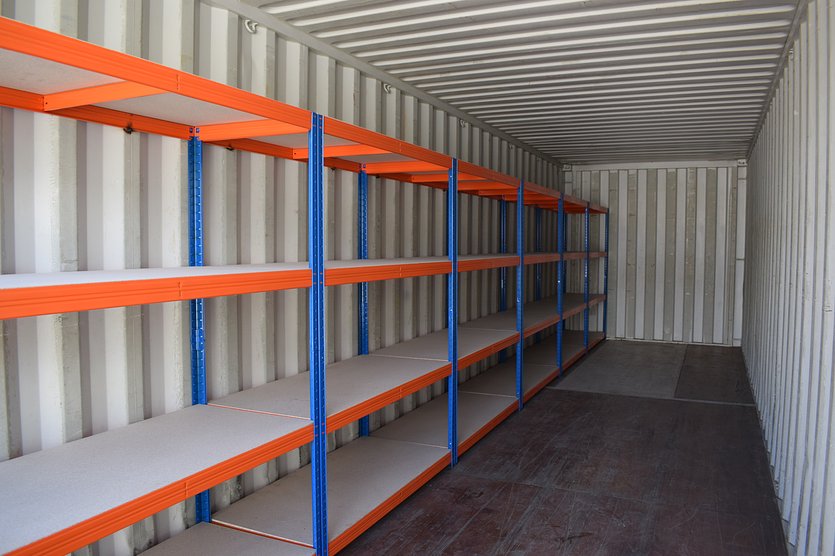
How can I customize my 30-foot container?
Personalization options can vary by supplier but may consist of adding windows, doors, insulation, and electrical systems. Discuss your requirements with your container provider for particular services.
30-foot containers are a practical solution for a diverse variety of needs– spanning from shipping and storage to construction and emergency management. The mix of sufficient space, cost-effectiveness, transportation adaptability, and the ability to tailor makes them a popular option among companies and people alike.
By comprehending the requirements, advantages, and various applications of 30-foot containers, users can make informed choices that will meet their specific needs. As logistics continues to evolve, containers play a progressively essential function in assisting in efficient and reliable operations throughout various sectors. For anyone considering buying or using a 30-foot container, this detailed guide functions as an important resource, helping browse the numerous facets of container usage.