

Werkzeug Kombiset Preis
Add a review FollowOverview
-
Founded Date November 12, 1989
-
Sectors Business
-
Posted Jobs 0
-
Viewed 499
Company Description
10 Tell-Tale Warning Signs You Should Know To Know Before You Buy Buy A Jointer Machine
The Essential Guide to Buying a Jointer Machine
When embarking on any woodworking job, accomplishing flat, smooth boards is essential. A jointer machine is an effective tool that assists to accomplish this task. For woodworking enthusiasts and specialists alike, trivox versand understanding what a jointer machine is, how it works, and the essential aspects to think about when purchasing one can substantially improve your woodworking experience.
What is a Jointer Machine?
A jointer machine is a woodworking tool that smoothens, flattens, and straightens the edges and faces of lumber. It consists of a flat table, a spinning cutter head with numerous sharp blades, and a fence that guides the board through the cutting procedure. By getting rid of product from the surface area of the wood, a jointer brings it down to an even thickness and produces a straight edge, which is important for joinery in furniture-making and kitchen cabinetry.
Advantages of Using a Jointer Machine
| Benefit | Description |
|---|---|
| Precision Cutting | Produces flat and straight surface areas for tighter joints. |
| Product Preparation | Prepares wood for further machining procedures like planing. |
| Time Efficiency | Speeds up the preparation of lumber compared to hand tools. |
| Adaptability | Can be utilized for numerous types of wood and joinery jobs. |
Kinds Of Jointer Machines
When thinking about the purchase of a jointer machine, it’s important to understand the numerous types readily available on the market:
-
Benchtop Jointers
- Description: Compact and lightweight, these are perfect for enthusiasts with minimal space.
- Pros: Affordable, portable, simple to store.
- Cons: Smaller cutting capacity.
-
Floor-Standing Jointers
- Description: Larger and more powerful, ideal for professional woodworkers.
- Pros: Greater stability, larger cutting capacity, and more robust motors.
- Cons: Higher expense, needs more shop space.
-
Spindle Jointers
- Description: These makers have a spindle-mounted cutter head to produce various profiles on the edges of wood.
- Pros: Versatile for edge profiling.
- Cons: More complex and pricey than standard jointers.
Key Considerations When Buying a Jointer Machine
Selecting the best jointer machine for your workshop can be tough, specifically with such a variety of alternatives readily available. Here are the vital factors to think about:
| Factor | Description |
|---|---|
| Size and Portability | Consider your work area; choose a size that fits comfortably. |
| Cutting Width | Evaluate the maximum width of wood you will work with. |
| Table Length | Longer tables offer much better support for longer boards. |
| Motor Power | Higher horsepower suggests the machine can handle more difficult woods. |
| Cutter Head Configuration | Look for adjustable cutter heads for flexible cuts. |
| Price | Budget plan factors to consider differ widely; balance expense with features needed. |
| Brand name Reputation | Research study brand names to guarantee reliability, toughness, and customer care. |
| Guarantee and Support | Think about the warranty period and the availability of customer care. |
Where to Buy a Jointer Machine
When searching to purchase a jointer, several opportunities are available:
-
Local Hardware Stores
- Helpful for instant purchases and hands-on experience with the tools.
-
Specialty Woodworking Stores
- Frequently have knowledgeable personnel who can assist you find the right machine.
-
Online Retailers
- Websites such as Amazon, Woodcraft, or Rockler supply a large selection, often with consumer reviews.
-
Second-Hand Market
- Check platforms such as Craigslist or Facebook Marketplace for used devices at a lower price.
Often Asked Questions
What size jointer should I buy?
The size of the jointer machine mainly depends upon the type of jobs you prepare to carry out. For many home woodworkers, a jointer with a cutting width of 6 to 8 inches suffices. However, professionals might require jointers with wider options.
Can I use a jointer on wood?
Yes, jointers are developed to manage both softwoods and woods. If utilizing thick hardwoods, guarantee the machine has an adequate motor size for efficient cutting.
How often should I alter the knives on a jointer?
It is advisable to inspect the condition of the knives regularly. For many projects, a modification is essential after every 10-15 hours of usage, depending upon the kind of wood and finish quality you expect.
Is a jointer the very same as a planer?
No, a jointer is mainly utilized to flatten and correct the alignment of boards, while a planer brings wood to an uniform thickness throughout its entire surface area. Both tools are frequently utilized in combination to prepare lumber for projects.
Can I do edge jointing with a smaller sized jointer?
Yes, a smaller benchtop jointer can still carry out edge jointing efficiently. Nevertheless, attaining a perfectly flat edge may require more passes, particularly with broader boards.
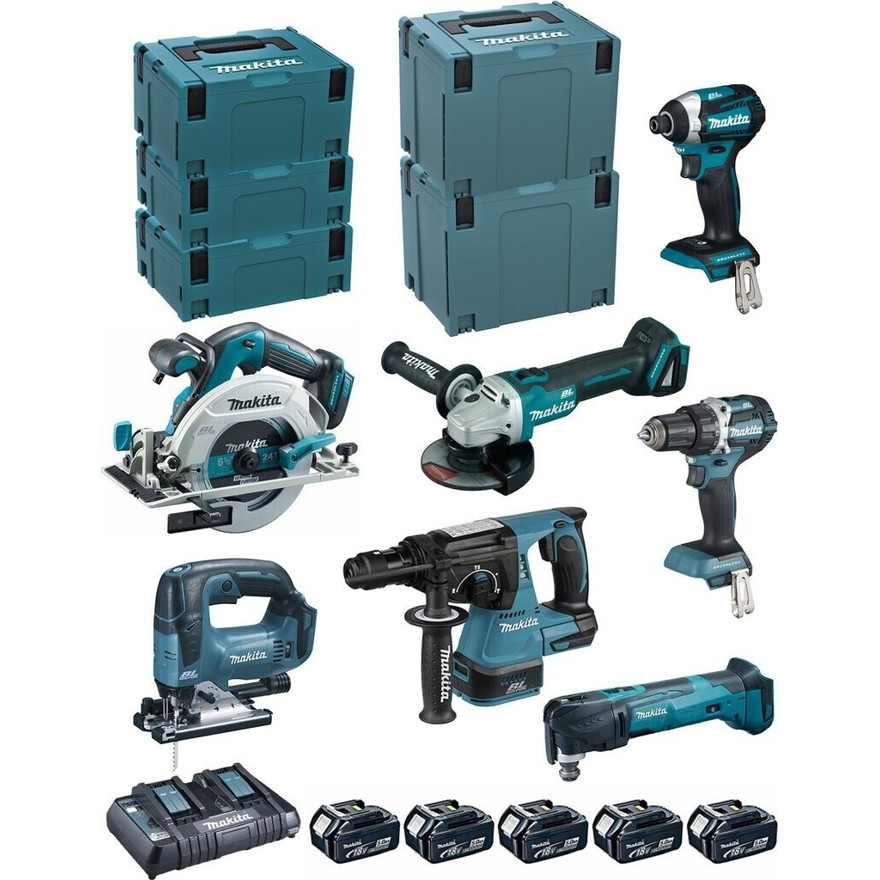
A jointer machine is a vital tool for any woodworker aiming to produce quality outcomes. By comprehending the different types of jointers, key buying factors, and the associated advantages, one can invest sensibly in this essential piece of machinery. Eventually, purchasing a jointer not only boosts effectiveness however likewise significantly improves the overall quality of woodworking tasks, making it a worthwhile addition to any workshop.
As you search various choices, review your existing and future woodworking needs to select the jointer that best fulfills those requirements. Delighted woodworking!