

Windows Repairs
Add a review FollowOverview
-
Founded Date June 4, 2014
-
Sectors Business
-
Posted Jobs 0
-
Viewed 33
Company Description
The Most Underrated Companies To In The Broken Window Repair Industry
A Comprehensive Guide to Broken Window Repair
Windows function as essential elements of any structure, supplying light, ventilation, and security. Nevertheless, unanticipated events may lead to broken windows, requiring timely repairs. This extensive guide will explore different elements of broken window repair, talking about methods, expenses, products, and frequently asked questions.
Comprehending the Causes of Broken Windows
Before diving into repair procedures, it’s essential to comprehend what commonly causes window damage. Acknowledging these causes can likewise assist residential or commercial property owners in improving preventive procedures. Here is a list of some common reasons for broken windows:
- Accidental Impact: Glass can break due to accidental accidents, such as a ball being thrown or items being dropped.
- Extreme Weather: Extreme weather conditions, including hail, high winds, and heavy snowfall, can harm Sash Windows Repair.
- Aging Materials: Over time, windows may establish weak points due to rust, rot, or other age-related wear and tear.
- Burglary: Unfortunately, windows may be broken during attempted break-ins.
- Thermal Stress: Rapid temperature level changes can cause the glass to broaden or contract, resulting in fractures.
Examining the Damage
Before undertaking repairs, it’s crucial to examine the degree of the damage. Windows can suffer numerous types of damage, consisting of:
- Cracks: Minor surface-level fractures often do not need full replacement but require timely attention to avoid more damage.
- Shattered Glass: This situation typically requires full panel replacement.
- Frame Damage: If the window frame is split or deformed, this may need resolving independently from the glass.
Repair Methods
1. Spot Repair
For small cracks, a spot repair may be adequate. This procedure involves:
- Cleaning the broken area.
- Applying clear epoxy or a glass adhesive.
- Permitting it to treat according to the manufacturer’s guidelines.
Please note that spots are momentary and may not bring back the window’s initial integrity.
2. Caulking
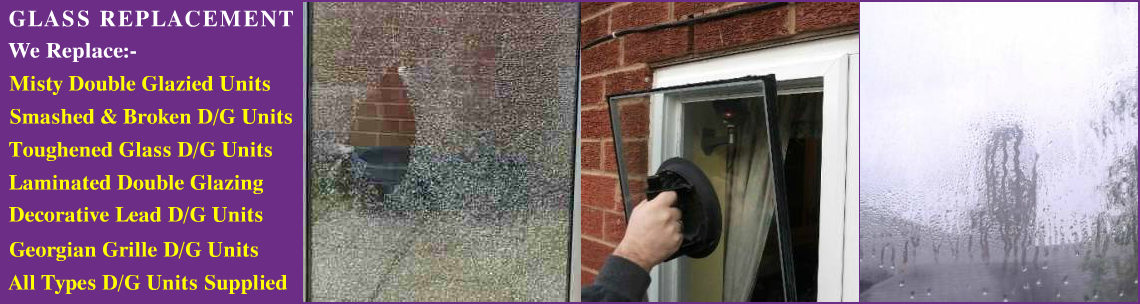
Sometimes, windows may appear broken due to seal failures rather than physical damage. This frequently results in foggy or cloudy looks. To bring back clarity, follow these actions:
- Remove any old caulk and particles around the window edges.
- Tidy surface areas with alcohol.
- Apply a fresh bead of silicone-caulk around the window perimeter.
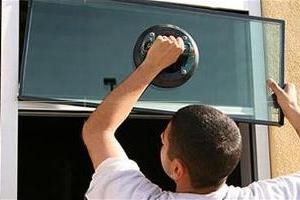
3. Glass Replacement
When the glass is shattered, replacement is needed. Here’s a basic summary of the procedure:
- Remove the harmed window by unscrewing or prying out the old frame.
- Measure the dimensions of the glass to cut a new piece accurately.
- Secure brand-new glass into the window frame with glazing substance or putty.
- Complete with a cautious application of caulking.
4. Frame Replacement
If the frame is damaged, more substantial repairs or replacements may be needed:
- Remove the old frame and thoroughly examine nearby structures.
- Install a brand-new frame, fixing it securely.
- Re-install the glass panel and apply the necessary seals.
Expense Considerations
The expense of broken window repair can vary commonly based upon several elements, consisting of:
- Type of Damage: Minor repairs will generally cost less than complete replacements.
- Material: The kind of glass and frame product considerably influence the rate.
- Labor Costs: Hiring specialists sustains extra expenses compared to DIY jobs.
Typical Repair Costs
| Type of Repair | Approximated Cost Range |
|---|---|
| Spot Repairs | ₤ 50 – ₤ 100 |
| Caulking | ₤ 30 – ₤ 75 |
| Glass Replacement | ₤ 200 – ₤ 400 |
| Frame Replacement | ₤ 300 – ₤ 600 |
Note: These estimates can vary based upon area and specific project requirements.
DIY vs. Hiring Professionals
Many house owners wonder whether to conduct broken window repairs themselves or to hire experts. Below is a list of elements to consider for each option.
DIY Repair
Pros:
- Cost savings on labor.
- Sense of accomplishment.
- Flexibility in timing.
Cons:
- Requires ability and tools.
- Danger of inappropriate installation.
- Time-consuming.
Working with Professionals
Pros:
- Guaranteed quality of work.
- Time-saving and practical.
- Access to knowledge and products.
Cons:
- Higher costs.
- Scheduling constraints.
Regularly Asked Questions
1. How can I ensure my windows are safe after repair?
Guarantee that you effectively secure brand-new setups, check seals, and frequently maintain frames and glasses to avoid future problems.
2. The length of time does a broken window repair typically take?
The timeline depends upon the degree of the damage. Patch repairs may take a few hours, while full replacements may need a day or more.
3. Is it worth repairing old windows?
If the frames are in good condition, repairing may be more cost-efficient than replacing. Nevertheless, older windows might justify a complete replacement for increased effectiveness.
4. What tools do I need for a DIY window repair?
Fundamental toolkit products such as an utility knife, determining tape, hammer, and safety goggles will be enough for small repairs. For glass replacement, extra tools like glazier points and a glass cutter might be required.
Broken windows can be an annoyance, however with prompt and suitable repairs, they need not end up being a substantial issue. Whether selecting DIY methods or hiring specialists, understanding the repair process and associated expenses will make it possible for property owners to make informed decisions. Recognizing prospective causes of window damage can assist avoid future issues, guaranteeing that windows continue to serve their necessary functions effectively for several years to come.