

Experienced Guttering
Add a review FollowOverview
-
Founded Date September 20, 1980
-
Sectors Security
-
Posted Jobs 0
-
Viewed 104
Company Description
Everything You Need To Be Aware Of Downspouts
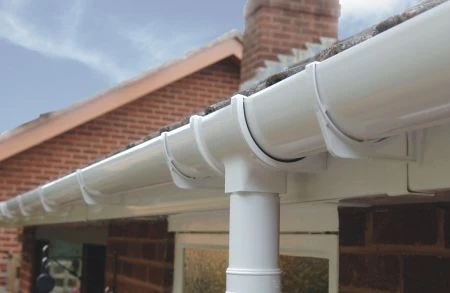
Understanding Downspouts: Importance, Types, and Maintenance
Downspouts are an essential element of any roofing system, serving a critical role in the total water management of a residential or commercial property. They direct rainwater far from the roof and redirect it to the ground or a drainage system, preventing damage to both the building structure and the surrounding landscape. This article will look into the significance of downspouts, the numerous types offered, essential maintenance pointers, and typical FAQs regarding their performance.
The Importance of Downspouts
Appropriately operating downspouts use several advantages, consisting of:

- Water Damage Prevention: By directing water away from the foundation, downspouts assist mitigate the threat of basement flooding, mold development, and structural damage.
- Erosion Control: Downspouts avoid soil disintegration, which can be detrimental to gardens and landscaping. Controlled drainage keeps soil in location and turf healthy.
- Structure Preservation: A well-functioning drainage system safeguards the stability of a structure’s structure, extending the lifespan of the property.
- Enhancing Curb Appeal: While operating primarily for drainage, visually pleasing downspouts can enhance the general look of a property.
Table 1: Key Benefits of Downspouts
| Advantage | Explanation |
|---|---|
| Water Damage Prevention | Reduces risk of flooding and mold growth by directing water away from the foundation. |
| Erosion Control | Prevents soil washout and safeguards garden areas. |
| Structure Preservation | Preserves the structural integrity of the building. |
| Enhancing Curb Appeal | Can be developed to match the aesthetic of the residential or commercial property. |
Types of Downspouts
When thinking about the installation or replacement of downspouts, it is vital to comprehend the different types available. The most common types consist of:
1. Material Types
- Aluminum Downspouts: Lightweight and resistant to rust. Aluminum is a popular option for both residential and commercial properties due to its sturdiness and variety of color alternatives.
- Vinyl Downspouts: Cost-effective and simple to set up, vinyl is resistant to rust however might not hold up as well in extreme temperatures.
- Copper Downspouts: Known for their visual appeal and sturdiness, copper downspouts develop an unique patina over time, including character to the property.
- Steel Downspouts: Extremely strong and durable but vulnerable to rust without correct treatment. Galvanized alternatives can reduce this risk.
2. Shape Types
- Round Downspouts: These offer a contemporary look, often utilized in contemporary architectural styles.
- Square and Rectangular Downspouts: More standard in look, these shapes provide higher capacity for handling bigger volumes of water.
3. Practical Types
- Standard Downspouts: Standard systems that carry water directly from the gutters to the ground.
- Filtered Downspouts: Equipped with structure to filter debris, these downspouts assist avoid obstructing in heavy rain circumstances.
- Extending Downspouts: Extensions or additional pipes that direct water further away from the foundation, offering enhanced drainage in problem locations.
Table 2: Comparison of Downspout Types
| Material | Pros | Cons |
|---|---|---|
| Aluminum | Light-weight, rust-resistant | Can damage easily |
| Vinyl | Cost-efficient, easy to set up | Less long lasting in extreme conditions |
| Copper | Visual appeal, resilient | More expensive |
| Steel | Really strong | Prone to rust |
Maintenance Tips for Downspouts
To make sure that downspouts remain reliable, it is vital to perform regular maintenance. Here are some key pointers for upkeep:
- Regular Cleaning: Remove debris from the downspout and the surrounding area to prevent obstructions. This is specifically essential after heavy rainfall or storms.
- Inspections: Periodically check downspouts for damage, rust, or signs of wear. Look for RepairMyWindowsAndDoors cracks and inspect connections to the gutters.
- Clear the Exit Point: Ensure that the area where the downspout empties is clear of obstructions to allow for proper water circulation.
- Change Water Flow: If water pools near the structure, consider adding extensions or rerouting downspouts to securely direct water further from the building.
- Inspect Downspout Alignment: Ensure downspouts are correctly lined up for effective water flow. Misaligned downspouts may prevent their functionality.
Table 3: Maintenance Checklist for Downspouts
| Job | Frequency | Description |
|---|---|---|
| Clean Debris | Seasonal (Spring/Fall) | Remove leaves, twigs, and dirt from downspouts. |
| Inspect for Damage | Every year | Try to find cracks, rust, and misalignments. |
| Clear Exit Points | After heavy rains | Make sure water flows freely from downspouts. |
| Change Flow if Needed | As required | Reroute downspouts if water pools near foundation. |
| Screen During Storms | After significant storms | Check for blocking or overflow. |
Frequently asked questions About Downspouts
1. How frequently should I clean my downspouts?
Cleaning downspouts should be carried out a minimum of twice a year, ideally in the spring and fall. More regular cleaning may be required in locations with substantial tree cover or following heavy storms.
2. Can I install downspouts myself?
Yes, numerous homeowners choose to install downspouts as a DIY project. Nevertheless, it is necessary to follow manufacturer standards and local building regulations to make sure correct installation.
3. What should I do if my downspout is clogged?
If you believe a clog, thoroughly get rid of the downspout and clear any debris. You can use a plumbing’s snake or a high-pressure water hose pipe to clear persistent obstructions.
4. Are there regulations on downspouts?
In numerous areas, local building codes determine specific requirements for downspout installation. Constantly seek advice from local codes or a professional before installation.
5. Do I require a drainage system along with downspouts?
It depends on elements such as your property’s topography and soil composition. In particular cases, a professional drainage system might be necessary for optimum water management.
Downspouts play an essential role in maintaining a building’s integrity and protecting its surroundings from water damage. Understanding the numerous types, their benefits, and how to preserve them can assist property owners make notified decisions. By prioritizing appropriate installation and routine maintenance, homeowner can improve their landscapes and secure their homes versus water-related concerns. As such, downspouts should not simply be seen as functional components however integral components of every building’s long-lasting health.