

Exercise Cycle For Home
Add a review FollowOverview
-
Founded Date May 23, 1994
-
Sectors Health Care
-
Posted Jobs 0
-
Viewed 7
Company Description
How To Make An Amazing Instagram Video About Exercice Bike
The Ultimate Guide to Exercise Bikes: Benefits, Types, and Tips for Maximizing Your Workout
In an age where convenience fulfills physical fitness, exercise bikes have actually emerged as a popular choice for individuals seeking an efficient and efficient exercise program. With their flexibility and capability to accommodate different fitness levels, exercise bikes are not simply a passing pattern; they are a staple in the world of home physical fitness equipment. This long-form blog site post will dive into the various types of exercise bikes, their advantages, and helpful tips to enhance one’s exercise experience.
The Benefits of Using an Exercise Bike
Exercise bikes provide many advantages that make them an outstanding choice for physical fitness lovers and beginners alike. Here are a few of the key benefits:
| Benefit | Description |
|---|---|
| Low Impact | Exercise bikes offer a low-impact alternative to conventional biking, reducing stress on joints. |
| Cardiovascular Fitness | Routine biking improves cardiovascular health, enhancing heart and lung function. |
| Calorie Burning | Biking can burn considerable calories, aiding in weight loss and management. |
| Convenience | Exercise bikes can be used in the house, providing the flexibility to work out anytime. |
| Adjustable Resistance | Many designs provide adjustable resistance settings to accommodate various fitness levels. |
| Great for All Fitness Levels | Ideal for both newbies and skilled athletes, exercise bikes can be tailored to private capabilities. |
| Home entertainment Options | Many designs feature built-in home entertainment choices, like Bluetooth speakers and screens, to make workouts more enjoyable. |
Types of Exercise Bikes
When choosing an exercise bike, it’s vital to comprehend the different types offered in the market. Each type caters to different preferences and physical fitness objectives:
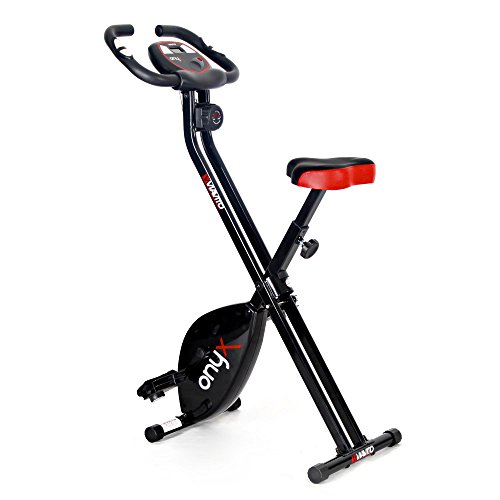
1. Upright Bikes
- Description: These bikes mimic the conventional outdoor biking position, promoting an upright posture.
- Best For: Individuals searching for a practical cycling experience and those who prefer a more intense exercise.
2. Recumbent Bikes
- Description: Featuring a reclining seat and back support, recumbent bikes offer a more comfy riding position.
- Best For: People with lower back issues, joint pain, or those who prefer a more relaxed biking position.
3. Spin Bikes
- Description: These bikes are created for high-intensity interval training (HIIT) and are typically used in spin classes.
- Best For: Advanced cyclists seeking an intense cardiovascular exercise and faster outcomes.
4. Dual-Action Bikes
- Description: These bikes engage both the upper and lower body by including movable handlebars.
- Best For: Those seeking to enhance overall body strength and engage several muscle groups.
| Kind of Bike | Convenience Level | Strength Level | Best For |
|---|---|---|---|
| Upright Bikes | Moderate | High | Sensible cycling experience |
| Recumbent Bikes | High | Moderate | Comfort and assistance |
| Spin Bikes | Low | Really High | Intense workouts |
| Dual-Action Bikes | Moderate | High | Full-body workouts |
Tips for Maximizing Your Exercise Bike Workout
To completely benefit from your stationary bicycle workouts, here are some important ideas and best practices:
Set Goals
- Establish clear, possible physical fitness objectives, whether weight reduction, muscle gain, or improved endurance.
Warm-Up and Cool Down
- Constantly start with a warm-up to prepare your muscles and lower the risk of injury. An appropriate cool-down duration assists in recovery.
Adjust Your Settings
- Ensure that your bike’s seat height and position are changed according to your convenience. A correct fit permits a more efficient and more secure workout.
Include Interval Training
- Utilize period training by alternating in between high-intensity bursts and lower-intensity healing durations. This approach can enhance cardiovascular physical fitness and calorie burning.
Track Your Progress
- Usage apps or integrated bike features to monitor metrics such as range, speed, and calories burned. Tracking progress can keep you inspired.
Stay Hydrated
- Keep a water bottle close by and keep in mind to hydrate throughout your exercise.
Mix It Up
- Prevent dullness by altering your workout routine. Integrate various speeds, resistance levels, and cycling positions.
Frequently Asked Questions (FAQ)
1. How frequently should I utilize an exercise bike?
- Go for at least 150 minutes of moderate aerobic activity each week. This can include biking sessions of 30 minutes, five times a week.
2. Are exercise bikes suitable for weight reduction?
- Yes, they are a reliable way to burn calories and can be incorporated into a weight loss program.
3. What is the ideal duration for a cycling session?
- Newbies can begin with 15-20 minutes, gradually increasing to 30-60 minutes as fitness levels enhance.
4. Do I require special shoes for cycling?
- While unique cycling shoes can enhance efficiency, regular athletic shoes typically are sufficient.
5. How do I keep my exercise bike?
- Routinely check and clean parts like the seat, handlebars, and pedals. Lube moving parts as required and guarantee the bike is stable and safe to use.
Exercise bikes use a flexible and effective method to boost total physical fitness, enhance cardiovascular health, and help in weight management. Despite fitness level, there is a stationary bicycle customized to an individual’s choices and objectives. By utilizing these machines correctly and following the pointers laid out above, users can maximize their workout experience and reach their fitness goals. Include a stationary bicycle into your routine, and enjoy the myriad advantages it has to offer!