

Kleiner Luftkompressor Kaufen
Add a review FollowOverview
-
Founded Date February 19, 2019
-
Sectors Transportation
-
Posted Jobs 0
-
Viewed 9
Company Description
What Compressor Purchase You’ll Use As Your Next Big Obsession
The Ultimate Guide to Purchasing a Piston Compressor
When it pertains to air compression, selecting the ideal compressor is essential for numerous industries and applications. Amongst the myriad alternatives offered, the piston compressor sticks out for its effectiveness, dependability, and versatility. This guide intends to inform potential buyers about the key considerations when acquiring a piston compressor, together with providing practical contrasts and regularly asked concerns.
What is a Piston Compressor?
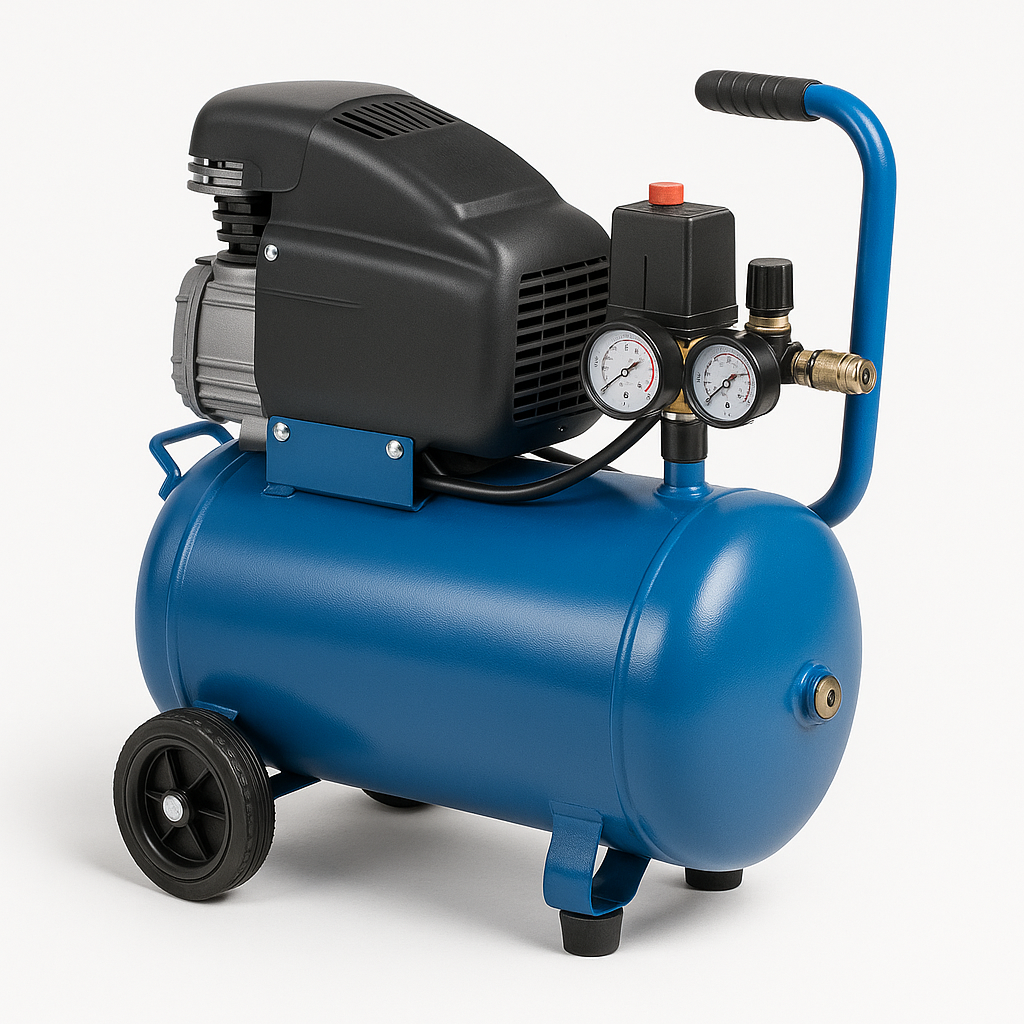
A piston compressor, likewise referred to as a reciprocating compressor, utilizes a piston driven by a crankshaft to compress air inside a cylinder. The main benefit of this kind of compressor is its capability to create high pressures, making it appropriate for applications varying from pneumatic tools to industrial machinery.
Key Considerations When Buying a Piston Compressor
1. Kinds Of Piston Compressors
Piston compressors come in different styles. Purchasers should understand the differences before making a decision:
| Type | Description | Best For |
|---|---|---|
| Single-Stage | Compresses air in one movement of the piston. | Small tools and low-pressure applications. |
| Two-Stage | Compresses air in 2 stages, resulting in higher pressure. | Industrial systems requiring high performance. |
| Oil-Lubricated | Utilizes oil for lubrication, causing longer life and less wear. | Heavy-duty applications where reliability is crucial. |
| Oil-Free | Doesn’t utilize oil, making it perfect for clean environments. | Food processing, pharmaceuticals, https://www.pamalamennig.Top/, and electronics. |
2. Compressor Size and Capacity
Understanding the required size and capability for particular applications is vital. The capacity of piston compressors is measured in cubic feet per minute (CFM). The table below describes standard applications and their perfect CFM ratings.
| Application | Suitable CFM | Remarks |
|---|---|---|
| Nail Guns | 2 – 4 CFM | Low consumption, usually single-stage. |
| Painting | 6 – 15 CFM | Needs more air to sustain pressure. |
| Heavy-Duty Air Tools | 8 – 18 CFM | Appropriate for two-stage models. |
| Industrial Equipment | 20+ CFM | Typically requires big capacities for constant usage. |
3. Power Source
Piston compressors can be powered by electrical energy, gasoline, or diesel fuel. Each source of power has its benefits:
- Electric: Often quieter and cleaner, suitable for indoor usage.
- Gasoline: Portable and beneficial for remote locations; nevertheless, can be noisy and produce emissions.
- Diesel: Excellent for heavy-duty applications but needs more maintenance.
4. Mobility
Depending upon the application, the portability of the compressor may matter. Smaller sized, portable compressors are advantageous for home jobs, while bigger models are better suited for fixed industrial settings.
5. Sound Level
For applications where noise can be a problem (e.g., woodworking, home use), consider the sound levels of different designs. Sound is normally measured in decibels (dBA):
| Noise Level | Description |
|---|---|
| 40 – 60 dBA | Quiet, suitable for indoor use |
| 61 – 75 dBA | Moderate, can be used in workshops |
| 76 – 90 dBA | Loud, might require hearing security |
Features to Look For
When choosing a piston compressor, consider the following features:
- Tank Size: Larger tanks store more compressed air and provide a longer run time in between cycles.
- Pressure Control: Adjustable pressure settings enable for diverse applications.
- Security Features: Look for overload protection, thermal protection, and automated shut-off functions.
- Warranties and Service: A great warranty and available client service can conserve costs on repair work and parts.
FAQ About Piston Compressors
1. What applications can a piston compressor be used for?
Piston compressors are versatile and can be used for:
- Automotive repair
- Manufacturing
- Building
- Paint spraying
- Food processing
2. How do I understand which size compressor I need?
Calculate the overall CFM required for your particular tools and applications, and pick a model that fulfills or exceeds this requirement.
3. Is it much better to choose an oil-lubricated or oil-free compressor?
It depends on your application:
- Oil-lubricated compressors are best for heavy-duty and constant usage.
- Oil-free compressors are ideal for applications needing clean air.
4. Do piston compressors need much maintenance?
Regular maintenance, such as changing the oil for oil-lubricated designs and examining filters, is essential to extend the life and efficiency of the compressor.
5. Can I use a piston compressor for painting?
Yes, piston compressors are suitable for painting, especially if they can provide the required CFM and pressure regularly.
Acquiring a piston compressor includes careful consideration of various aspects such as type, capability, power source, noise levels, and extra functions. By understanding the technical requirements and applications particular to your needs, you will be better geared up to make an informed purchase. An appropriate selection not only makes sure the effectiveness and durability of the compressor however also improves performance in your projects.
In summary, whether you’re a DIY lover or a professional working in a high-demand industry, a piston compressor can considerably impact your performance. Investing time in understanding the choices offered will result in an effective purchase and optimum use of this essential equipment.