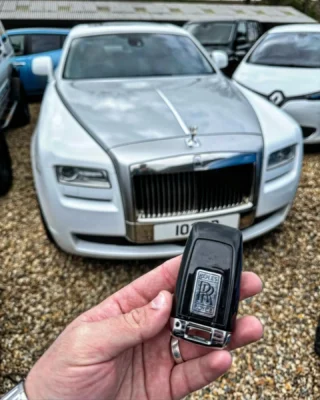
Car Key Remote Battery Replacement
Add a review FollowOverview
-
Founded Date May 12, 1914
-
Sectors Health Care
-
Posted Jobs 0
-
Viewed 46
Company Description
What’s The Job Market For Door Lock Repair Professionals?
Comprehensive Guide to Car Door Lock Repair: Troubleshooting and Solutions
The integrity and functionality of a vehicle’s door locks are necessary for both the security of the car and the safety of its residents. Car door locks can experience a variety of issues, ranging from small mechanical glitches to complete failures. This post seeks to provide a useful introduction of car door lock repair, outlining common problems, diagnostic procedures, and solutions.
Understanding Car Door Locks
Before diving into repair procedures, it is important to comprehend the components of a normal car door lock. There are 2 primary types of locks: mechanical and electronic.
Parts of a Car Door Lock System
- Lock Cylinder: The part where the key is placed.
- Latches: Mechanisms that hold the door shut.
- Actuator: Electric motor in electronic locks that helps in locking and opening.
- Linkage: Connects the lock cylinder to the latch.
- Remote Key Fob: In electronic systems, this is used to lock and unlock the doors from a range.
Common Issues with Car Door Locks
Car door locks can fail for a wide range of reasons. Here are some common problems experienced by vehicle owners:
- Sticking or Frozen Locks: Especially in winter, locks can become tough to operate.
- Lock Not Engaging or Disengaging: Both mechanical and electronic locks can face problems where they do not react to the key or remote.
- Key Jams: The key might get stuck in the lock, making it impossible to lock or unlock the door.
- Remote Malfunction: In electronic systems, the key fob might not work due to battery problems or programming problems.
- Physical Damage: Vandalism or mishaps can damage the lock mechanism.
Repairing Car Door Lock Issues
When a car door lock is not operating correctly, it is essential to identify the issue accurately before continuing with a repair. Below are actions that can help repair the concern:
Step-by-Step Troubleshooting
-
Visual Inspection:
- Check the door lock and surrounding parts for noticeable damage.
- Examine the key for wear and tear.
-
Check the Key:
- If the lock is sticking or not engaging, attempt using an extra key if available.
- Ensure the key is clean from dirt and particles.
-
Check the Actuator:
- Listen for any noises when pushing the key fob. A clicking sound may suggest a malfunctioning actuator.
-
Examine Door Wiring:
- Check the wiring that connects the door lock to the vehicle’s electrical system.
- Search for disconnected or torn wires.
-
Temperature level Influence:
- If the lock is sticking in winter, use lithium grease to help lube the mechanism.
Repairing Common Door Lock Issues
As soon as the problem has been identified, the repair can begin. Here are some typical repair strategies for various problems:
Fixing a Sticking or Frozen Lock
- Cleaning up: Use a graphite lube or silicone spray to clean and lubricate the mechanism.
- Heating: If frozen, use a hairdryer to warm the location around the locking mechanism thoroughly, preventing getting too hot.
Fixing a Lock Not Engaging/Disengaging
-
Lock Cylinder Replacement:
- If the lock cylinder is worn, think about changing it. This often involves prying off the door panel to access the lock system.
-
Actuator Replacement:
- For electronic locks, if the actuator is defective, it will need replacement. Make sure to disconnect the battery before trying this repair.
Repairing a Jammed Key
- Extraction Tool: If a key is stuck, use a set of needle-nose pliers to gently pull it out, or a key extractor.
- Lock Lubrication: Apply a small amount of lube to ease the procedure.
Remote Key Fob Malfunction
- Battery Replacement: Most remotes have changeable batteries. Follow the maker’s guidelines to change the battery.
- Reprogramming: Sometimes, the remote requirements to be reprogrammed. Describe the vehicle’s manual for actions to reprogram the key fob.
Physical Damage Repairs
- Door Lock Assembly Replacement: If the lock is physically damaged, complete replacement of the lock assembly might be necessary.
- Expert Help: If unsure about DIY repairs, look for help from a licensed mechanic.
Upkeep Tips for Car Door Locks
To lengthen the life of car door locks, routine upkeep is necessary. The following practices can help maintain optimum efficiency:

- Regular Lubrication: Apply appropriate lube to the locks every couple of months.
- Keep Keys Clean: Regularly clean the car keys to prevent dirt buildup.
- Avoid Excessive Force: Do not use excessive force when locking or unlocking; this can trigger damage with time.
- View for Signs of Wear: Be mindful to any modifications in the lock’s efficiency and address concerns without delay.
Frequently Asked Questions about Car Door Lock Repair
Q: How can I inform if my door lock is broken?A: Common
indications consist of the lock not engaging or disengaging, a jammed key, sounds from the door when utilizing the key fob, or noticeable damage to the lock assembly.
Q: Can I repair a car door lock myself?A: Yes, numerous basic issues can be attended to by following the repairing actions in this post, however complex issues may need expert help. Q: What kind of lubricant ought to I use
for my locks?A: It is best to use graphite powder or silicone-based lubricants given that oil can attract dirt and grime. Q: How much does it normally cost to change a car door lock?A: The cost can differ extensively
based on the vehicle’s make and design, however normal replacement expenses
can range from ₤ 100 to ₤ 300, consisting of labor. Car door lock repair can seem overwhelming, however comprehending the elements and typical issues can make the procedure a lot more workable. Whether tackling little repairs yourself or seeking expert support for more significant problems, keeping the door locks operating correctly is essential for vehicle security and safety. Regular upkeep and prompt attention to issues can considerably extend the life of your car’s locking system.