

Best Reclining Couch
Add a review FollowOverview
-
Founded Date July 27, 1962
-
Sectors Health Care
-
Posted Jobs 0
-
Viewed 119
Company Description
7 Small Changes That Will Make A Big Difference With Your Buy Sofas
The Ultimate Guide to Buying Sofas: Choosing the Perfect Addition to Your Living Space
Sofas function as the centerpiece in many living rooms and family areas, encapsulating comfort, style, and social interaction. A well-chosen sofa can enhance the aesthetic appeal of a home while providing a sanctuary for relaxation. This guide will check out the important aspects to think about when buying sofas, consisting of styles, products, measurements, and maintenance suggestions.
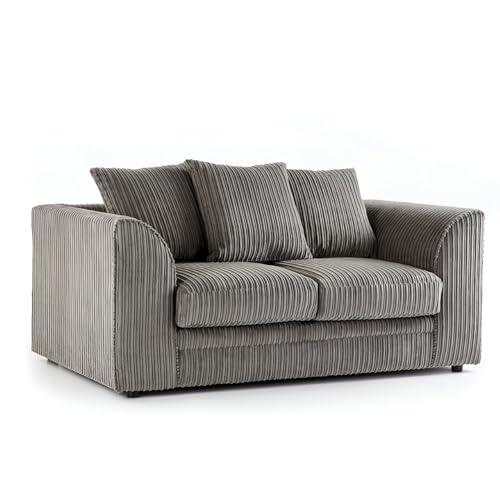
Understanding Sofa Types
Sofas are available in different designs and setups. Below is a breakdown of popular types and their special benefits.
| Sofa Type | Description | Perfect For |
|---|---|---|
| Sectional | A modular design, often arranged in an L or U shape | Large spaces, household events |
| Chesterfield | Characterized by deep button tufting and rolled arms | Conventional and classic design |
| Recliner | Features reclining seats for added convenience | Home theaters or casual settings |
| Sofa bed | Transforms into a bed for guests | Studio apartments or flexible spaces |
| Loveseat | A smaller sized sofa created for 2 people | Cozy corners and intimate areas |
Elements to Consider When Buying a Sofa
Choosing the ideal sofa includes several factors to consider, from performance to aesthetic appeals. The following points will assist simplify the decision-making procedure:
-
Size and Space
- Step the area where the sofa will be positioned.
- Consider entrances, staircases, and hallways when moving the sofa.
- Always leave some space to walk around the sofa.
-
Design and Design
- Choose a design that complements existing design.
- Think about the sofa’s function (e.g., relaxing, entertaining).
- Think about current trends versus classic designs.
-
Fabric and Material
- Upholstery products range from cotton and linen to leather and Couches Prices microfiber.
- Think about durability, ease of cleansing, and texture.
- Test materials for comfort and upkeep needs.
-
Comfort and Support
- Test the sofa by resting on it for an extended period.
- Check the depth and height of the sofa to match your comfort level.
- Look for well-constructed frames and supportive cushions.
-
Spending plan
- Establish a sensible budget before checking out choices.
- Search for premium sofas within your variety.
- Be conscious of extra costs like delivery and maintenance products.
Popular Sofa Fabrics
Understanding the numerous upholstery alternatives can help in picking the best sofa. Here is a list of popular fabrics:
-
Leather:
- Pros: Durable, easy to clean, luxurious feel.
- Cons: Expensive, can be hot or cold depending upon temperature level.
-
Microfiber:
- Pros: Stain-resistant, soft, and comfortable.
- Cons: Can draw in pet hair, not as breathable as natural fabrics.
-
Cotton:
- Pros: Soft, breathable, and readily available in lots of patterns.
- Cons: Prone to stains, might fade gradually.
-
Linen:
- Pros: Natural appearance, strong and durable.
- Cons: Wrinkles quickly, less stain-resistant.
| Fabric | Sturdiness | Stain Resistance | Convenience Level | Cost |
|---|---|---|---|---|
| Leather | High | Moderate | High | ₤ ₤ ₤ |
| Microfiber | Moderate | High | High | ₤ ₤ |
| Cotton | Moderate | Low | Moderate | ₤ |
| Linen | High | Moderate | High | ₤ ₤ |
FAQs About Buying Sofas
Q: How do I preserve my sofa?A: Regular vacuuming, area cleansing spills instantly, and using specially formulated fabric cleaners can keep your sofa looking new. For leather, use a leather conditioner regularly. Q: What is the best method to determine the best size of a sofa?A: Measure your living area and consider how the sofa will fit with other furniture pieces. A typical rule of thumb is to leave at least 18 inches of area for strolling pathways. Q: Are there eco-friendly sofa options?A: Yes, lots of producers provide sofas made from sustainable materials,such as reclaimed wood frames, organic fabrics, and non-toxic adhesives. Q: How long can I anticipate my sofa to last?A: A premium sofa can last anywhere from 7 to 15 years, depending on construction and materials.Routine care substantially extends its life expectancy. Purchasing a sofa is not just about functional seating however likewise about creating a relaxing atmosphere in one’s home. From the kinds of sofas to consider, to
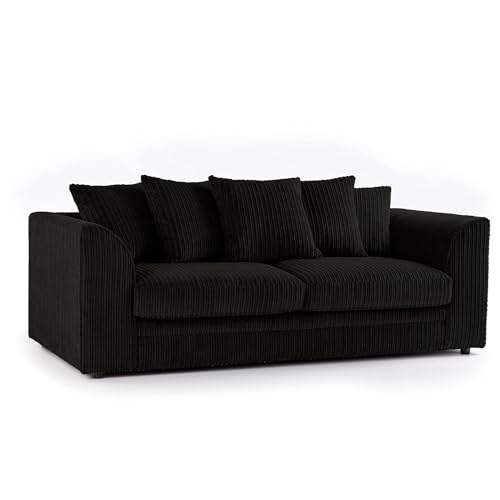
fabrics, sizes, and maintenance, potential buyers must thoroughly weigh their options. By understanding the numerous aspects involved, individuals can make a notified choice that not only aligns with their design however likewise enhances their living experience. Whether it is a sectional for household gatherings or a stylish loveseat for intimate settings, the best sofa can genuinely change a space into a comfortable retreat.