

Oven & Hob
Add a review FollowOverview
-
Founded Date March 23, 1963
-
Sectors Business
-
Posted Jobs 0
-
Viewed 15
Company Description
Ten Hob And Ovens That Really Help You Live Better
Understanding Cooker Hobs and Ovens: A Comprehensive Guide
In modern kitchen areas, cooker hobs and ovens are fundamental home appliances that specify cooking routines and preferences. Selecting the ideal combination of these gadgets can considerably improve cooking experience, enhance efficiency, and even elevate home looks. This article will explore various aspects of cooker hobs and ovens, shedding light on types, functions, benefits, and upkeep tips, while also resolving typical inquiries.
Kinds Of Cooker Hobs
Cooker hobs can be found in numerous types, each with distinct functions dealing with various cooking designs. Here’s an overview of the most typical types:
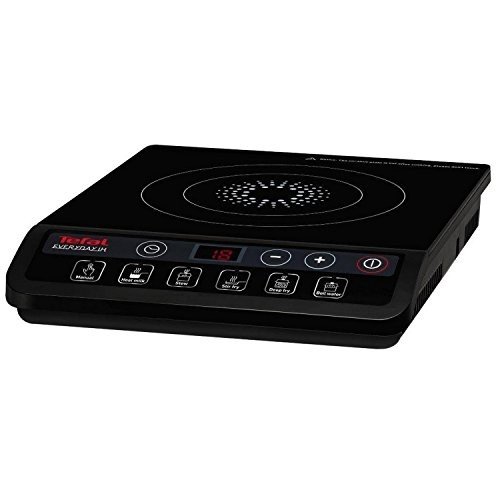
| Type | Description | Pros | Cons |
|---|---|---|---|
| Gas Hob | Uses burner for heating; offers instant temperature control. | Immediate heat and exceptional control. | Requires a gas connection; might be less safe. |
| Electric hob and ovens | Runs using electric coils or smooth surface area; warms up gradually. | Even heat distribution; simple to clean. | Takes longer to warm up; less control. |
| Induction Hob | Uses magnetic fields to heat pots directly, making it energy effective. | Quick cooking; energy-efficient. | Requires compatible pots and pans; more expensive. |
| Halogen Hob | Employs halogen bulbs for immediate heat; supplies immediate temperature modification. | Incredibly quick heating; visible heat. | Takes in more power; might not uniformly heat. |
Choosing the Right Hob
When picking a hob, consider the following elements:
- Cooking Style: Do you choose the accuracy of gas, the benefit of electric, or the efficiency of induction?
- Cookware Compatibility: Ensure your pots and pans work with the kind of hob.
- Kitchen Layout: Space and design typically dictate the type of hob that fits your kitchen.
Types of Ovens
Also, ovens have actually evolved significantly, offering numerous cooking methods that can complement specific cooking designs. Here are the widespread kinds of ovens:
| Type | Description | Pros | Cons |
|---|---|---|---|
| Standard Oven | Conventional baking oven that utilizes electric or gas heat from the top and bottom. | Versatile; good for baking. | Longer preheat and cooking times. |
| Convection Oven | Utilizes a fan to flow hot air, enabling even cooking and faster baking times. Disperses heat equally. | Faster cooking; even browning. | A little more expensive; may dry food out. |
| Steam Oven | Cooks food using steam, protecting nutrients and wetness. | Healthier cooking; retains food flavor. | Takes longer to cook; more pricey. |
| Microwave | Utilizes electro-magnetic radiation to heat food quickly. | Instant cooking; ideal for reheating. | Limited cooking approaches; might affect texture. |
Picking the Perfect Oven
When picking an oven, keep these elements in mind:
- Cooking Habits: Are you a regular baker or most likely to reheat leftovers?
- Space Requirements: What are the dimensions of your kitchen?
- Budget plan: Consider not simply the purchase price however also energy performance with time.
The Importance of Cooker Hobs and Ovens in Cooking
The ideal combination of cooker hob and oven can improve cooking skills, allowing food enthusiasts to experiment and develop a wide variety of dishes. Here are a few reasons these appliances are vital:
- Efficiency: Modern hobs and ovens come with features that optimize cooking times and energy usage.
- Versatility: Different cooking methods (bake, grill, roast, steam, etc) expand the series of meals one can prepare.
- Visual Appeal: Stylish designs can elevate the total look of a kitchen, making it both practical and welcoming.
Frequently Asked Questions (FAQs)
1. What upkeep do cooker hobs and ovens need?
- Routine cleaning after usage to avoid buildup.
- Regular look for gas leaks (for gas hobs).
- Making sure the electrical connections are secure.
2. Can I use any pots and pans on an induction hob?
No, induction hobs require ferrous pots and pans (i.e., magnetic) to work. This implies stainless-steel and cast iron work, while glass and aluminum pots may not.
3. How do I identify the right size oven for my kitchen?
Measure your available space and consider the volume of cooking you generally perform. Standard ovens range in size, and bigger models typically have additional features.
4. Are convection ovens much better than standard ovens?
It depends on personal preference. Convection ovens provide faster and more even cooking however may not be ideal for all baking recipes, particularly those needing specific temperatures.
5. What is the typical life expectancy of a cooking hob and oven?
With appropriate care, both hobs and ovens can last anywhere from 10 to 20 years, depending on frequency of use and maintenance.
Picking the ideal cooker hob and oven not just streamlines the cooking procedure but can likewise redefine one’s culinary experience. Understanding the different types, their advantages, and maintenance will empower customers to make informed decisions, making sure that their kitchen is geared up to deal with meals from the simplest to the most intricate. Knowledge about the abilities of these vital devices allows for culinary creativity and efficiency, eventually leading to a more pleasurable cooking journey.