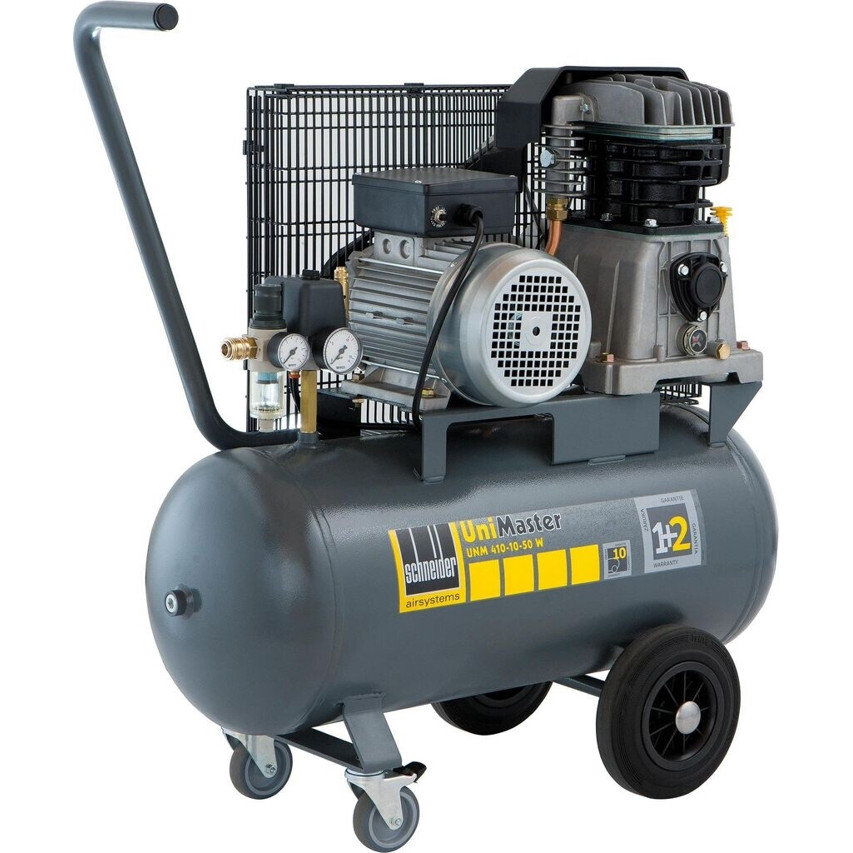
Günstige Kompressorangebote
Add a review FollowOverview
-
Founded Date March 17, 1985
-
Sectors Business
-
Posted Jobs 0
-
Viewed 6
Company Description
10 Misconceptions Your Boss Holds Concerning Buy Compressor With Tank
Buy a Compressor with Tank: A Comprehensive Buyer’s Guide
Air compressors have actually ended up being vital tools in both expert and home settings. From powering pneumatic tools to pumping up tires, the ideal air compressor can make tasks much easier and more efficient. Yet, not every compressor is created equal. In this article, we’ll explore the advantages of acquiring a compressor with a tank, the various aspects to consider during your selection procedure, and standards on what to search for.
Why Choose a Compressor with a Tank?
A compressor with a tank offers numerous benefits. These include:
| Advantages | Description |
|---|---|
| Consistent Air Supply | Tanks store air, supplying a stable air flow over time. |
| Minimized Noise | Continuous operation is quieter than smaller, portable models. |
| Enhanced Performance | Suitable for running multiple tools simultaneously. |
| Greater Efficiency | Permits the compressor to work less regularly, extending its life. |
| Portability | Tanked models frequently stay portable while using increased capability. |
Factors to Consider When Buying an Air Compressor with Tank
1. Tank Size
The tank size you pick plays an important role in how your compressor operates. Bigger tanks store more air, allowing longer use durations between refills. Nevertheless, they can likewise be heavier and less portable.
| Tank Size (Gallons) | Ideal Uses |
|---|---|
| 1-3 Gallons | Small pumping up jobs, hobby use |
| 3-6 Gallons | Ideal for light-duty applications |
| 6-10 Gallons | Great for Minikompressor Zu Verkaufen DIY jobs and medium-duty tools |
| 10+ Gallons | Suited for industrial applications and constant use |
2. CFM Rating
The Cubic Feet per Minute (CFM) rating determines the air compressor’s output. It shows the volume of air provided, which is crucial for powering tools successfully.
| CFM Rating | Appropriate Tool Usage |
|---|---|
| 1-5 CFM | Nail weapons, airbrushes, inflatables |
| 5-10 CFM | Air ratchets, impact wrenches |
| 10+ CFM | Spray guns, sanders, numerous tools simultaneously |
3. Pressure (PSI)
Understanding the required PSI (Pounds per Square Inch) for your tools is necessary. A lot of pneumatic tools need a PSI rating in between 70-120.
| Pressure Range (PSI) | Description |
|---|---|
| 70-90 PSI | Suitable for nailers and brad nailers |
| 90-120 PSI | Sufficient for the majority of air tools like die grinders, and impact wrenches |
| 120+ PSI | Necessary for spray painting and sandblasting jobs |
4. Kinds of Compressors
There are various types of compressors, each tailored to specific requirements. The common types are:
| Type | Description |
|---|---|
| Reciprocating | Most typical in household usage; cost-efficient |
| Rotary Screw | More effective for continuous usage, often used in markets |
| Scroll | Offers peaceful operation; suitable for small applications |
| Belt Drive | Greater effectiveness and durability; ideal for prolonged tasks |
5. Oil-lubricated vs. Oil-free
When choosing on your compressor, you’ll come across oil-lubricated and oil-free options:
| Type | Benefits |
|---|---|
| Oil-lubricated | Longer life expectancy, quieter operation |
| Oil-free | Minimal maintenance, lightweight |
Benefits of Buying a Compressor with Tank
Purchasing a compressor with a tank can lead to numerous favorable outcomes. Below are crucial advantages:
-
Versatility: A compressor can run different tools, adjusting to several tasks.
-
Longer Working Times: Tanks guarantee sustained pressure without regular cycling, enabling longer work durations.
-
Cost-Efficiency: They typically require less energy compared to smaller, tankless designs.
-
Improved Work Quality: Proper pressure assists achieve expert results in applications like spraying and nailing.
Often Asked Questions (FAQs)
Q1: How much should I expect to invest on a compressor with a tank?
The rate for a compressor with a tank can vary from ₤ 150 to over ₤ 2000 depending on requirements, brand, and features.
Q2: Can I use a compressor for paint spraying purposes?
Yes! For paint spraying, a greater CFM and PSI rating are necessary (generally above 10 CFM and 50-120 PSI).
Q3: Is it critical to maintain my compressor?
Absolutely. Routine maintenance, such as oil changes (for oil-lubricated designs) and tank drain, is vital for extending the life of the compressor.
Q4: What security precautions should I take?
Always describe the producer’s directions and use suitable personal protective equipment (PPE) when utilizing compressors.
Q5: How do I figure out the right size compressor for my needs?
Consider the tools you plan to use, their CFM and PSI requirements, in addition to your anticipated use duration. This will guide you in choosing the ideal compressor size.
Investing in a compressor with a tank can considerably enhance your performance and efficiency for different jobs, whether you’re a DIY lover, a specialist, or somebody requiring a dependable inflation tool. Prioritize understanding the kinds of compressors, choose the tank size that suits your needs, and do not ignore the crucial CFM and PSI rankings. With the mentioned consider mind, making an informed choice becomes simpler and more reliable. Happy compressing!